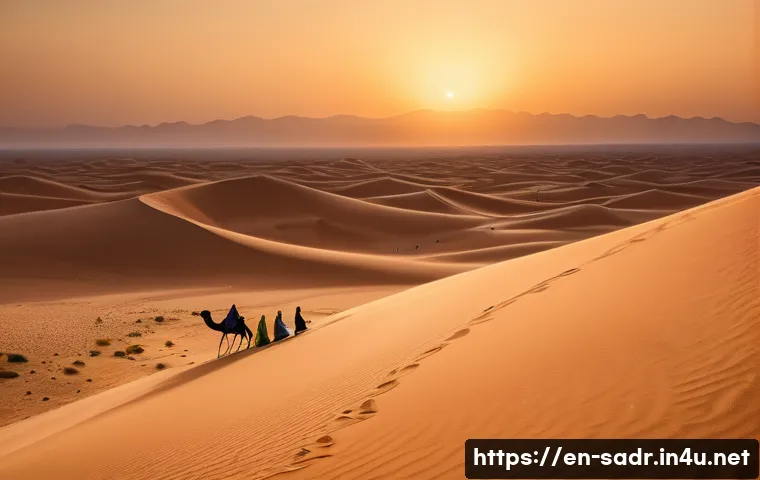
If you’ve been craving a truly unique desert adventure, the Sahrawi Arab Democratic Republic offers an off-the-beaten-path experience that’s unlike anywhere else.
With recent developments making travel more accessible, now is the perfect time to explore its vast, mesmerizing landscapes. Whether you’re drawn by the endless sand dunes or the rich cultural heritage of the Sahrawi people, knowing when to visit can make all the difference.
In this post, I’ll share insights on the best seasons to embark on this unforgettable journey, so you can plan your trip with confidence and excitement.
Stick around to discover how to make the most of your desert escape!
Optimal Weather Periods for a Comfortable Desert Journey
Understanding the Sahrawi Climate
The Sahrawi Arab Democratic Republic features a classic desert climate characterized by scorching days and chilly nights. During the summer months, temperatures can easily soar above 45°C (113°F), making outdoor activities exhausting and potentially hazardous without proper preparation.
On the other hand, winter nights can dip close to freezing, which might come as a surprise to those expecting constant heat. Knowing this, most travelers find spring and autumn to be the sweet spots for visiting—the weather is milder, with daytime temperatures ranging from 20°C to 30°C (68°F to 86°F), ideal for exploring vast dunes and engaging with local communities without the discomfort of extreme heat or cold.
Seasonal Impact on Travel Experience
Visiting during the shoulder seasons not only ensures more manageable temperatures but also offers a chance to witness the desert’s dynamic transformation.
Spring brings a brief bloom of desert flora, painting the sandy expanse with subtle greens and wildflowers, while autumn’s cooler air enhances the clarity of the endless horizon, perfect for photographers and nature lovers.
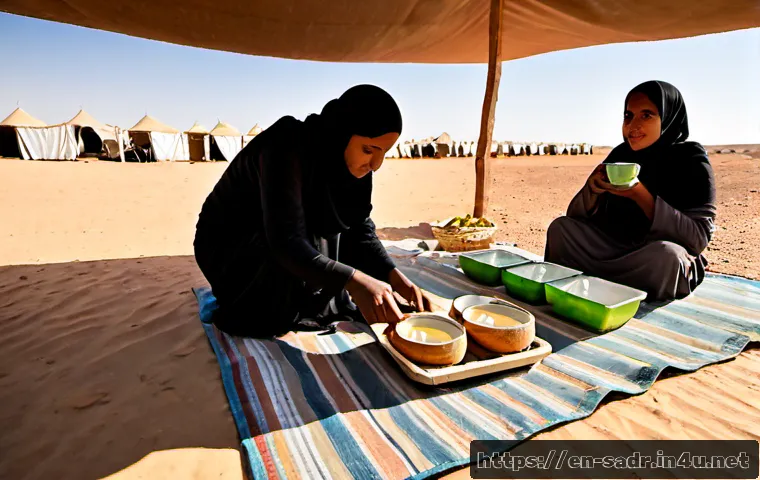
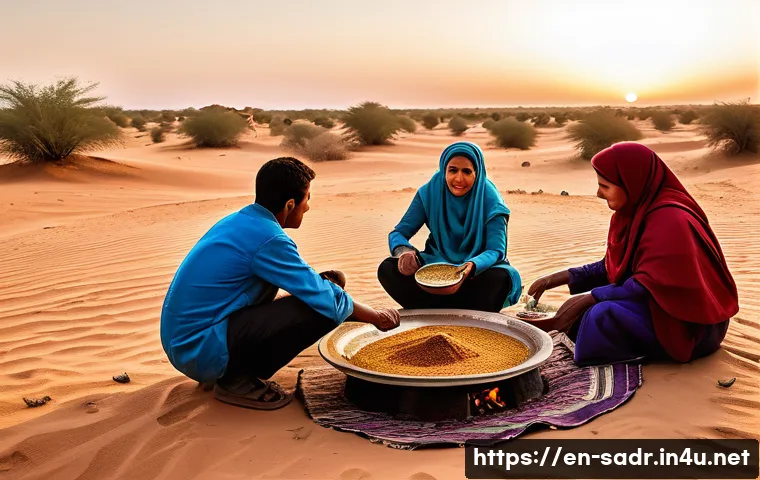
Traveling in these periods also means fewer tourists, allowing a more intimate and authentic interaction with the Sahrawi culture, which is rich in oral traditions, music, and hospitality.
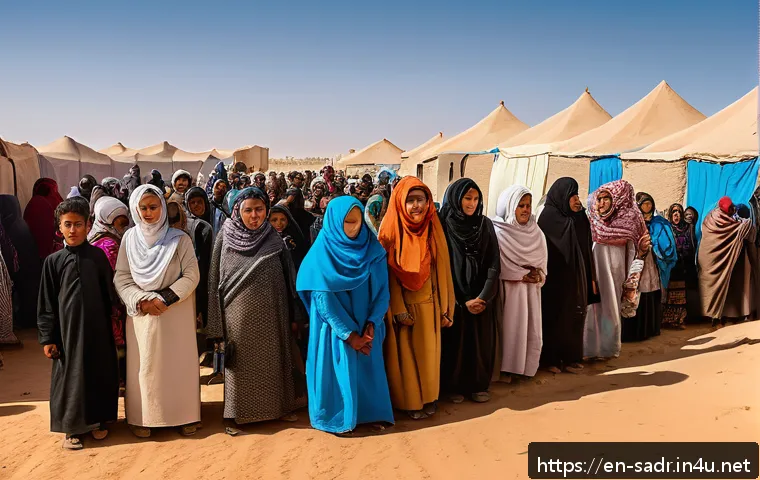
Moreover, the moderate climate supports longer daily excursions, whether trekking across dunes or visiting refugee camps where the Sahrawi people share their stories.
Timing Your Visit Around Cultural Events
Key Festivals and Their Significance
The Sahrawi people celebrate several cultural events throughout the year that offer profound insights into their identity and resilience. The International Day of Sahrawi People Solidarity in February is a powerful occasion marked by gatherings and performances that highlight their struggle and hopes.
Another important time is during Ramadan, which shifts annually according to the lunar calendar, offering visitors a unique opportunity to experience the spiritual rhythms and communal meals that define this sacred period.
Planning your trip around these events allows for a deeper connection beyond the landscapes, turning a typical tour into a meaningful cultural exchange.
When to Avoid for Cultural Sensitivity
While these celebrations are vibrant and engaging, it’s essential to be respectful of local customs and privacy. Certain periods, especially during mourning or political demonstrations, might not be ideal for tourists, as the community may be more introspective or sensitive to external presence.
Checking in with local guides or organizations before planning your visit can help avoid inadvertently intruding during such times. This awareness enriches the travel experience, ensuring it remains positive and respectful for both visitors and hosts.
Practical Considerations for Travel Planning
Accessibility and Infrastructure Challenges
Traveling to the Sahrawi Arab Democratic Republic is an adventure that requires thorough preparation. Infrastructure remains limited in many areas, with few paved roads and scarce public transport options.
This means that visiting during seasons with more stable weather can prevent logistical headaches caused by sandstorms or flash floods, which are rare but possible.
Renting a reliable 4×4 vehicle or joining an organized tour is advisable to navigate the terrain safely. Additionally, accommodations range from basic campsites to modest guesthouses, so booking in advance during peak seasons ensures a more comfortable stay.
Health and Safety Tips for Desert Travel
The desert environment presents unique health challenges. The dry air can lead to dehydration quickly, so carrying ample water and electrolyte supplements is a must.
Sunscreen, wide-brimmed hats, and breathable clothing will protect against intense UV radiation. Nights can be unexpectedly cold, so layering clothing is crucial.
Travelers should also be cautious about food and water sources to avoid gastrointestinal issues. Having travel insurance that covers emergency evacuation is highly recommended, considering the remote nature of the region.
Taking these precautions makes the journey not only enjoyable but safe.
Planning Around Natural Phenomena
Experiencing the Sahara’s Night Sky
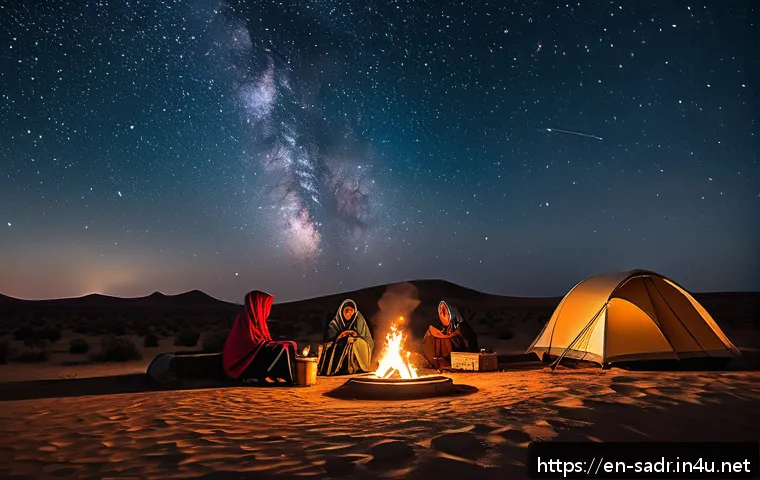
One of the most magical aspects of visiting the Sahrawi desert is the unobstructed view of the night sky. The absence of city lights creates a stargazing paradise, where constellations, shooting stars, and even the Milky Way appear in breathtaking clarity.
The best time to experience this spectacle is during new moon phases when the sky is darkest. Autumn and winter months tend to have clearer skies, as the summer heat can bring dust and haze.
Bringing a telescope or a good camera with night settings can elevate this experience, making it a highlight of your trip.
Sandstorms and Their Seasonal Occurrence
Sandstorms, while dramatic and awe-inspiring, can disrupt travel plans and pose safety risks. They occur most frequently in late spring and early summer, triggered by strong winds sweeping across the desert plains.
These storms can last from a few minutes to several hours and reduce visibility drastically. Monitoring weather forecasts and consulting with local guides before setting out is crucial during these months.
If caught in a sandstorm, it’s best to seek shelter and protect your eyes, mouth, and electronic equipment. Knowing this helps travelers stay prepared and avoid unpleasant surprises.
Summary of Ideal Travel Seasons
| Season | Temperature Range (°C) | Key Advantages | Potential Challenges |
|---|---|---|---|
| Spring (March – May) | 20-30 | Mild weather, blooming desert plants, fewer tourists | Possible sandstorms late in season |
| Summer (June – August) | 35-45+ | Long daylight hours | Extreme heat, risk of dehydration, limited outdoor activity |
| Autumn (September – November) | 20-30 | Cooler temperatures, clear skies for stargazing | Some rain possible, fewer cultural events |
| Winter (December – February) | 5-20 | Cool nights, cultural festivals | Cold nights, limited vegetation |
Maximizing Your Desert Experience with Seasonal Insight
Customizing Activities Based on Timing
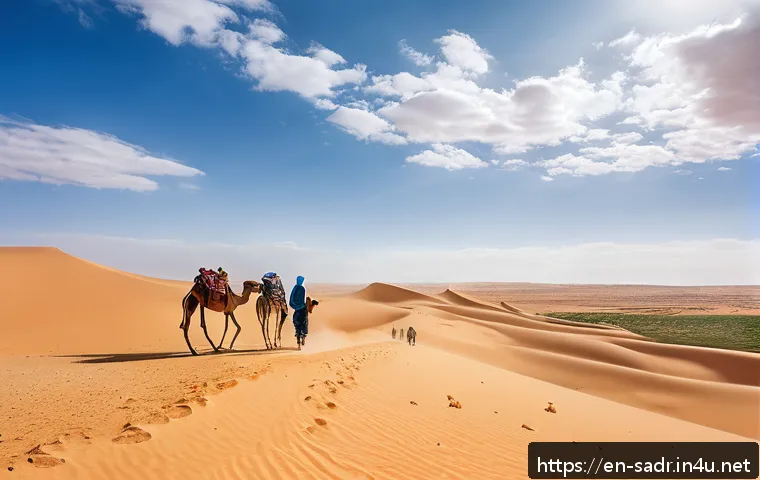
Choosing the right season enables you to tailor your itinerary to what the desert offers best at that time. For instance, visiting in spring or autumn is perfect for dune trekking, camel rides, and photography, as the temperatures are manageable and the landscapes vibrant.
Winter invites cultural immersion with local festivals and storytelling around campfires, while summer might suit those seeking solitude and unique challenges, provided they are prepared for the heat.
Aligning your plans with seasonal conditions amplifies both enjoyment and safety.
Local Guidance and Tour Operator Expertise
One lesson I learned firsthand is the value of local expertise. Tour operators and Sahrawi guides know the subtle shifts in weather and cultural schedules, helping you avoid pitfalls and discover hidden gems.
They can advise on the best times for various activities and even adjust plans on the fly if weather changes. This insider knowledge often transforms a good trip into an unforgettable adventure, blending comfort with authenticity in a way solo planning rarely achieves.
Investing in such guidance is well worth it for peace of mind and enriched experiences.
In Conclusion
Traveling through the Sahrawi desert is an unforgettable experience best enjoyed by timing your visit with favorable weather and cultural events. Understanding the climate and local customs ensures both comfort and meaningful engagement. Whether you seek adventure, cultural insight, or serene landscapes, planning with seasonal awareness enhances every aspect of your journey.
Helpful Tips to Keep in Mind
1. Always carry sufficient water and sun protection to stay safe in the desert’s harsh conditions.
2. Coordinate your trip with local guides to navigate cultural events respectfully and avoid sensitive periods.
3. Opt for spring or autumn for the most pleasant weather and fewer crowds, enhancing your overall experience.
4. Prepare for temperature fluctuations by packing layers to handle hot days and chilly nights.
5. Consider joining organized tours or renting a reliable 4×4 vehicle to manage challenging desert terrain safely.
Key Takeaways for a Successful Trip
Planning your desert adventure with a clear understanding of seasonal weather patterns and cultural dynamics is essential. Prioritize safety by preparing for extreme temperatures and potential sandstorms. Respect local customs and seek expert guidance to deepen your connection with the Sahrawi people. Thoughtful preparation transforms your visit from a mere trip into a rich, immersive experience that respects both the environment and its inhabitants.
Frequently Asked Questions (FAQ) 📖
Q: uestionsQ1: When is the best time of year to visit the Sahrawi
A: rab Democratic Republic for a desert adventure? A1: The ideal time to visit is during the cooler months, typically from October to April. During this period, daytime temperatures are more manageable, ranging from mild to warm, which makes exploring the vast sand dunes and cultural sites far more comfortable.
Avoiding the scorching summer months is crucial because temperatures can soar above 45°C (113°F), making outdoor activities exhausting and potentially unsafe.
Q: What should I pack for a trip to the Sahrawi desert to ensure comfort and safety?
A: Packing smart is key. Lightweight, breathable clothing that covers your skin will protect you from the sun and sand. Don’t forget a wide-brimmed hat, UV-protection sunglasses, and high-SPF sunscreen.
A good pair of sturdy, comfortable walking shoes or boots is essential for trekking on sand and rocky terrain. Also, bring plenty of water and a reusable water bottle, as hydration is vital in the desert.
A portable charger and a basic first-aid kit can be lifesavers during remote excursions.
Q: How can I respectfully engage with the Sahrawi people and their culture during my visit?
A: Showing genuine interest and respect is always appreciated. Learn a few basic greetings in Hassaniya Arabic to break the ice. Be mindful of local customs and dress modestly, especially in rural areas.
When visiting Sahrawi camps or communities, ask permission before taking photos and avoid intruding on private moments. Participating in cultural events or sharing meals can be a wonderful way to connect, but always follow the lead of your hosts and remain open-minded to their way of life.