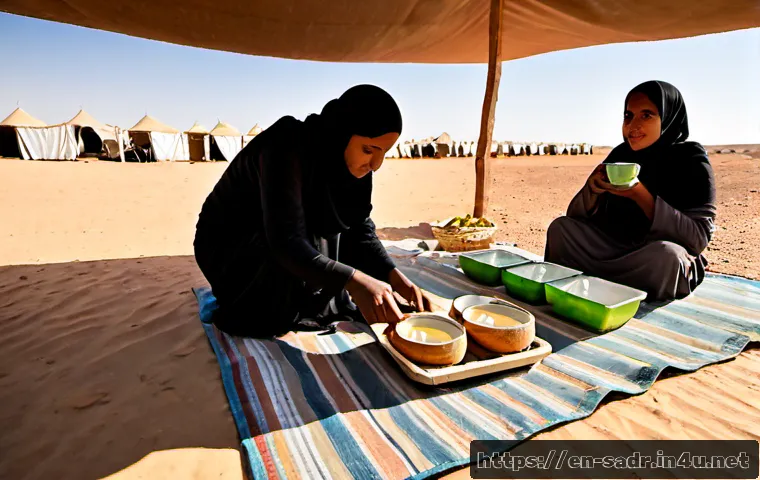
Most Sahrawi refugees live in long-standing camps near Tindouf in southwestern Algeria, not inside the disputed Western Sahara territory. Daily life depends heavily on humanitarian support for essentials such as food, water, healthcare, education, and household needs.
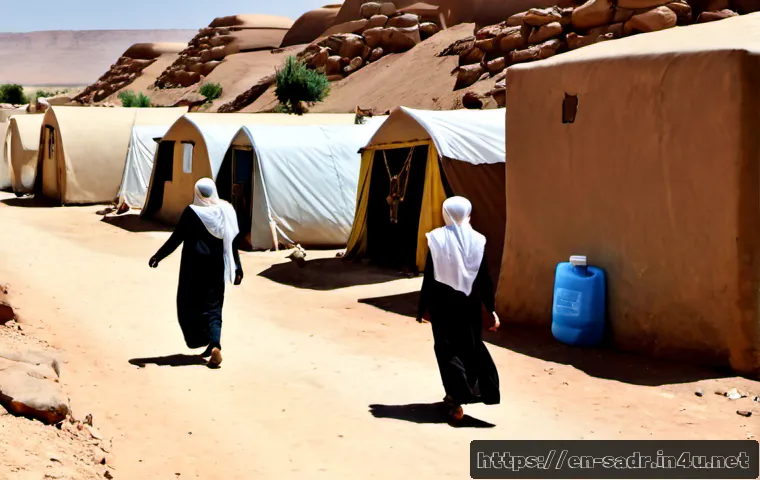
The camps have endured for decades, so families and community organizations have built routines and local support structures despite severe desert conditions.
For readers considering a donation, research project, or visit-related inquiry, the most useful approach is to compare current reporting, program transparency, and real operating access.
Conditions, population estimates, and service coverage can change, making publication dates and source methods especially important. A careful overview avoids both romanticizing resilience and reducing residents to images of crisis.
At a Glance
- Sahrawi refugee camps are located near Tindouf, Algeria, while Western Sahara remains a disputed territory.
- Food, water, health, education, and household support have long depended on humanitarian assistance.
- Extreme heat, dust, scarce water, and long distances to services shape everyday decisions for camp residents.
| Daily Need | Typical Support System | Main Constraint | What Readers Should Verify |
|---|---|---|---|
| Food and household basics | Humanitarian food assistance and basic household support | Long-term dependence on external supply systems | Current program coverage, reporting date, and stated priorities |
| Water | Water supply and local distribution arrangements | Scarcity, heat, infrastructure pressure, and desert distance | Recent information on access, reliability, and camp-level conditions |
| Healthcare | Clinics, health facilities, and humanitarian health support | Service capacity and access across a dispersed desert setting | Which services are currently operating and who they are intended to serve |
| Education | Schools, community structures, and education support | Prolonged displacement and limited long-term opportunities | Whether reporting distinguishes school access from broader education needs |
| Livelihoods and skills | Community initiatives, training, and livelihood-oriented programs | Restricted choices in a protracted refugee setting | Program goals, local participation, and realistic outcome reporting |
What Daily Life Looks Like in the Camps Near Tindouf
Three key points: location, long-term displacement, and dependence on essential services
Life in the Sahrawi refugee camps should be understood through three connected facts. First, the camps are near Tindouf in southwestern Algeria, rather than inside the disputed Western Sahara territory. Second, many residents have lived in this setting for decades, making this a case of prolonged displacement rather than a short-term emergency. Third, daily stability is closely linked to humanitarian systems that support food, water, healthcare, education, and basic household needs.
The camps are commonly referred to by names including Smara, Aousserd, El Aaiún, Dakhla, and Boujdour. These names can help readers recognize reporting about the area, but they should not be treated as a shortcut for assuming that every camp has identical services or conditions. A current humanitarian update may describe access, needs, or operations differently across locations.
Why “SADR camps” can be an imprecise description
The Sahrawi Arab Democratic Republic, often shortened to SADR, is associated with the Polisario Front and claims sovereignty over Western Sahara. Western Sahara’s status remains disputed. Calling the settlements “SADR camps” may therefore blur an important geographic distinction: the refugee camps discussed here are near Tindouf in Algeria, while the territorial claim concerns Western Sahara.
For students, journalists, and donors, precise wording matters. A report can acknowledge Sahrawi identity and the political context while still clearly stating where a specific camp, clinic, school, or aid activity is located. This reduces confusion when comparing humanitarian aid information, travel-risk notices, or research sources.
Housing, climate, and the rhythm of daily routines
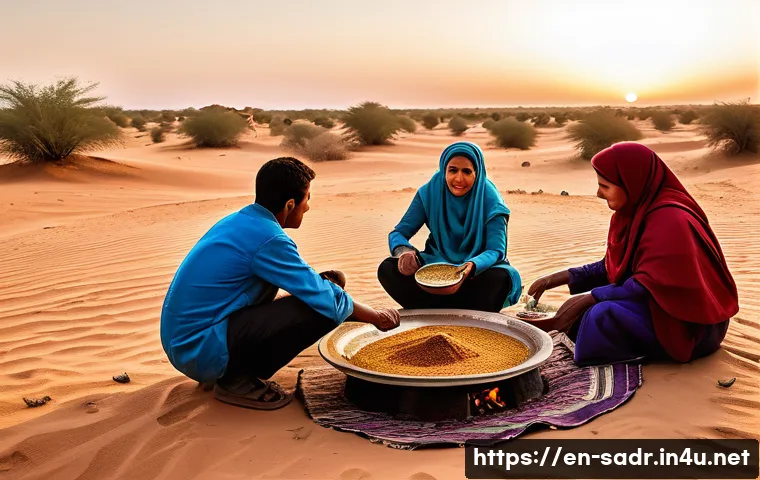
The desert environment is not a background detail. Extreme heat, dust, scarce water, and long distances can affect household routines, travel to services, storage of essential supplies, and the operation of local infrastructure. These pressures make dependable support systems especially important.
At the same time, camp life is not defined only by receiving aid. Residents have developed community structures, schools, health facilities, women’s associations, and cultural activities. That resilience deserves recognition, but it should not be used to minimize the burden of long-term displacement or to suggest that outside assistance is no longer necessary.
Essential Services: Food, Water, Healthcare, and Education
How humanitarian supply systems affect household stability
Humanitarian assistance is central to household stability in the camps. When readers see claims about food aid, basic items, health support, or education programs, the useful question is not simply whether aid exists. The better question is what the program covers, when the information was published, and whether it describes current access.
Supply systems can be affected by operating access, logistics, available resources, and changing needs. For that reason, an older article or a single image of a distribution should not be treated as a complete account of present conditions. A responsible aid organization or humanitarian information source should explain its program focus and provide current context rather than relying on emotional imagery alone.
Water scarcity, heat, and infrastructure pressures
Water is a persistent concern in a harsh desert environment. Heat and dust add pressure to daily life, while long distances can make services harder to reach. It is reasonable to ask how water support is organized, but readers should avoid repeating precise availability claims unless they are tied to recent, clearly sourced humanitarian reporting.
When evaluating a water-focused donation option, look for information on current operating access, local implementation, and transparent reporting. Broad promises are less useful than a clear explanation of what the program is designed to support and what limitations remain.
Schools, clinics, and community-led support networks
Schools and health facilities are part of the camp landscape, alongside community-led networks and women’s associations. These structures can provide continuity in a prolonged refugee situation. Education and healthcare are not separate from daily survival; they are part of how families maintain routine, dignity, skills, and community ties.
Still, the presence of a school or clinic does not by itself establish full service coverage. Readers should distinguish between a facility existing, a program being active, and all needs being met. This is particularly important when comparing charities, humanitarian appeals, or media coverage that uses general statements without a recent assessment.
Comparing Needs and Support Priorities
Comparison table: immediate needs versus long-term resilience
| Priority Area | Immediate Need | Long-Term Resilience Question | Practical Verification Question |
|---|---|---|---|
| Food assistance | Reliable access to essential household support | How can households maintain stability during prolonged displacement? | Does the source explain current food support and its limits? |
| Water and basic services | Safe, dependable access in a desert environment | What infrastructure pressures remain over time? | Is the information recent and specific about operating conditions? |
| Healthcare | Accessible basic health services | How are services sustained in a remote setting? | Does the program describe the type of health support offered? |
| Education | Continuity of learning for children and young people | What opportunities exist beyond basic access? | Does reporting explain the education focus rather than using vague claims? |
| Livelihoods | Skills and community-based opportunities | How realistic are opportunities under protracted displacement? | Are local participation and program limitations clearly stated? |
Food assistance, nutrition, and household purchasing power
Food assistance is often the most visible part of humanitarian support, but food security is broader than a distribution image or a list of items. Household stability can depend on whether assistance is predictable, whether basic needs are covered, and whether families have any room to manage changing priorities. Exact ration contents and current coverage should be checked through updated reporting rather than assumed from past accounts.
For ethical donation research, favor sources that explain their program focus, current needs assessment, and reporting practices. Avoid treating food support as a simple, permanent solution to a situation shaped by decades of displacement and a disputed political context.
Education, vocational training, and livelihood opportunities
Education supports continuity and future options in the camps, while vocational training and livelihood-oriented initiatives may help people build skills. Yet readers should be careful not to frame these programs as a guaranteed path out of displacement. The available facts support the existence of schools, community structures, and support networks, not a prediction about future economic outcomes.
A useful comparison is between immediate relief and longer-term support. Emergency relief may address urgent essentials, while education, health, and skills initiatives may strengthen day-to-day resilience. Neither category should be dismissed. The key is to understand what a specific program actually does and whether its current access and reporting are clear.
How to Avoid Misleading Claims and Ethical Mistakes
Check dates, geography, access limitations, and population figures
Claims about the camps can remain online long after conditions have changed. Before sharing a figure, a photo, or a description of service availability, check the publication date, geographic scope, source method, and stated access limitations. Population estimates and needs assessments may vary, and the methodology behind them matters.
It is also important to separate the camps near Tindouf from the disputed Western Sahara territory. A source may discuss both, but readers should identify which place is being described before drawing conclusions about daily life, security, or humanitarian operations.
Avoid treating refugee communities as disaster-tourism subjects
Refugee camps are communities where people live, study, work through local structures, care for relatives, and sustain cultural life. They are not backdrops for sensational content. Photos and personal stories can be valuable when shared with consent and context, but they should not turn residents into symbols of suffering or resilience for an outside audience.
For journalists and researchers, this means asking whether an image or anecdote represents a wider condition, whether consent is meaningful, and whether the story explains the limits of access. For donors, it means looking beyond emotionally intense campaigns toward transparent humanitarian support options.
Questions to ask before sharing, donating, researching, or visiting
- Is this information current, and does it state when conditions were assessed?
- Does it clearly distinguish camps near Tindouf, Algeria, from Western Sahara?
- Does the organization explain its program focus, operating access, and reporting practices?
- Are population figures and service claims accompanied by a method or source context?
- Would sharing this photo, quote, or story respect the dignity and agency of the people represented?
- For travel-related inquiries, have permission requirements, safety conditions, and transport access been checked through current official guidance?
Different Reader Scenarios: Donors, Students, Journalists, and Travelers
Evaluating transparent humanitarian support options
Donors do not need to choose based on the most dramatic message. A more reliable approach is to compare transparency, program focus, and current operating access. Some support may focus on food and basic household needs, while other programs may emphasize water, health, education, or livelihoods.
Check whether an organization identifies what it is doing now, how it describes the people and communities it serves, and how it communicates constraints. A clear explanation of limitations can be more trustworthy than a broad promise. Before donating, review the organization’s official information and confirm that it is appropriate for your location and intended purpose.
Research and reporting considerations
Students and journalists should treat the camps as a subject requiring careful sourcing rather than a single narrative. Compare humanitarian reporting, background material on the Western Sahara dispute, and sources that identify the date and limits of their access. If a report makes a strong claim about food, water, health, education, or security, ask what evidence it uses and whether the claim applies across all camps.
Good reporting also avoids false certainty. Current population numbers, exact service coverage, and access conditions may require fresh verification. A cautious sentence that accurately reflects uncertainty is more useful than a precise-looking statement without a clear basis.
Travel permissions, safety planning, and respectful conduct
Travel or visitor access should never be assumed. Current security, transport, permission, and access arrangements are matters to confirm through reliable, up-to-date channels. Do not rely on an old travel account, social media post, or promotional description as proof that entry is possible or appropriate.
If a visit is being considered for legitimate research, reporting, or humanitarian reasons, respectful conduct includes following local guidance, protecting privacy, avoiding intrusive photography, and recognizing that residents are not there to provide an experience for visitors. Official guidance and detailed conditions should be checked on the relevant pages before making plans.
Choosing Reliable Information and Aid Options
A decision checklist for relevance, transparency, and current access
Before relying on a source or selecting a humanitarian aid option, use this short checklist:
- Relevance: Does it address Sahrawi refugee camps near Tindouf rather than speaking vaguely about the region?
- Timeliness: Is there a clear reporting date or recent operational update?
- Transparency: Does it explain what support is provided and what cannot be confirmed?
- Access: Does it acknowledge any limits on assessment, travel, transport, or service delivery?
- Respect: Does it describe camp residents as people with agency, community life, and rights?
Comparing program focus: emergency relief, education, health, or livelihoods
There is no single “best” category of support for every reader. Emergency relief may be most relevant for someone focused on food, water, or household essentials. Education support may suit a reader interested in schools and long-term continuity. Health programs may be the priority for those looking at clinic-based services, while livelihood and skills initiatives may appeal to those focused on community resilience.
The responsible choice is not based on a promise of guaranteed impact. It is based on whether the organization clearly presents its current program, intended beneficiaries, operational context, and reporting. Compare those points before deciding where to direct attention or support.
When not to rely on a single photo, anecdote, or outdated report
A single photo can show a real moment without showing the full picture. One family’s account can be meaningful without representing every household. An older report can explain historical context without proving current conditions. Use multiple recent sources where possible, and keep the difference between documented facts and unverified claims clear.
Selection Criteria and Comparison Summary
When assessing information or humanitarian support related to Sahrawi refugees near Tindouf, compare location accuracy, publication date, program focus, transparency, operating access, and respectful representation. Confirm whether a source distinguishes the camps in Algeria from the disputed Western Sahara territory. Look for clear descriptions of food, water, health, education, or livelihoods work instead of vague claims. Treat current population figures, exact service coverage, travel conditions, and visitor permissions as items requiring fresh verification. For donation or travel-related decisions, check the official guidance and detailed conditions on the relevant organization or authority page.
Closing Thoughts
Daily life in the Sahrawi refugee camps near Tindouf is shaped by prolonged displacement, a demanding desert environment, and continuing reliance on humanitarian support. It is also shaped by schools, clinics, community networks, women’s associations, and cultural life developed over many years. The most accurate way to engage with the subject is to be precise about geography, cautious about changing conditions, and attentive to the dignity of camp residents. Reliable information should add context rather than reduce a complex situation to a single image or headline.
Useful Information to Know
1. Location matters: The refugee camps discussed here are near Tindouf in Algeria, not inside Western Sahara.
2. Names may vary: Common camp names include Smara, Aousserd, El Aaiún, Dakhla, and Boujdour.
3. Needs are connected: Food, water, health, education, and household stability should not be viewed as isolated issues.
4. Current reporting matters: Access, needs assessments, and aid conditions can change over time.
Important Notes
This overview does not establish current population totals, exact food-ration contents, water availability, camp-by-camp service coverage, security conditions, transport arrangements, or visitor permissions. Those details require verification through recent humanitarian reporting, official guidance, and sources that clearly state their methodology and operating access. No future political outcome for Western Sahara, return, or resettlement can be assumed from current camp conditions.
Frequently Asked Questions
Q1. Are Sahrawi refugee camps located inside the Sahrawi Arab Democratic Republic?
A1. The camps discussed in this article are near Tindouf in southwestern Algeria. SADR is associated with the Polisario Front and claims sovereignty over Western Sahara, whose status remains disputed. Using precise geographic language helps avoid confusing the camps with the disputed territory.
Q2. What are the biggest day-to-day challenges for families living near Tindouf?
A2. Persistent challenges include extreme heat, scarce water, dust, long distances to services, and dependence on humanitarian assistance for essential support. Exact conditions and service coverage can vary and should be checked through current reporting.
Q3. How can I evaluate whether a humanitarian donation for Sahrawi refugees is credible and relevant?
A3. Compare the organization’s transparency, current program focus, and operating access. Look for clear information about whether support relates to food, water, healthcare, education, or livelihoods, and check that its reporting is current. Avoid relying only on emotional images, broad promises, or outdated descriptions.