Exploring the rich culinary traditions of the Sahrawi Arab Democratic Republic reveals a fascinating blend of flavors shaped by desert life and nomadic heritage.
Meanwhile, Moroccan cuisine captivates with its vibrant spices, diverse ingredients, and centuries-old recipes that have traveled across continents. Although both share North African roots, their dishes offer unique tastes and cultural stories worth discovering.
From hearty stews to aromatic breads, each cuisine invites you to experience a distinct way of life through food. Let’s dive deeper into the savory world of Sahrawi and Moroccan cooking and uncover what makes them truly special!
Desert Influences on Sahrawi Culinary Practices
Survival Ingredients and Their Impact on Flavor
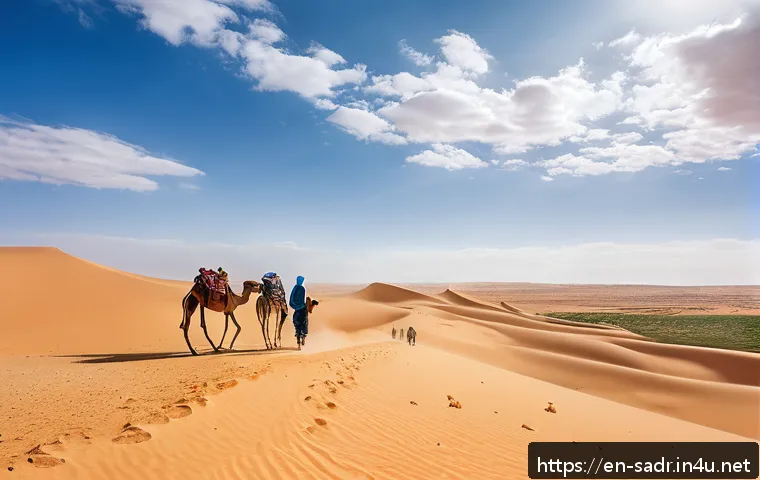
Living in the harsh Sahara environment, Sahrawi cuisine has naturally evolved around ingredients that are both hardy and readily available. Staples like dried dates, millet, and goat meat play a central role.
These items are not just practical; they bring a distinct earthy and slightly sweet flavor profile that reflects the desert landscape. For instance, millet porridge, often eaten during breakfast or as a snack, carries a nutty taste that’s simple yet deeply satisfying.
The scarcity of fresh vegetables means that dried herbs and spices such as cumin and coriander are used sparingly but purposefully to enhance the natural flavors without overpowering them.
This minimalist seasoning approach is a hallmark of Sahrawi dishes, showcasing how necessity has shaped a cuisine that’s both resourceful and flavorful.
Nomadic Cooking Methods and Their Unique Results
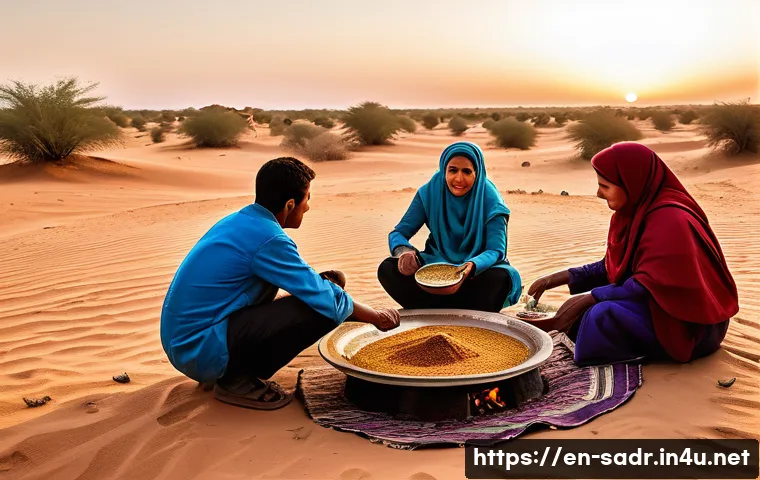
Sahrawi cooking techniques are deeply rooted in the nomadic lifestyle, where portability and simplicity are key. Traditional methods include slow-cooking meats over open fires or burying pots in hot desert sand to trap heat, creating tender and aromatic dishes.
One popular example is mechoui, a whole lamb roasted slowly until the meat becomes incredibly tender and infused with smoky flavors. Cooking outdoors also adds a communal element, as families gather around the fire to share meals.
These methods not only preserve the nutrients and natural juices of ingredients but also impart a rustic charm that modern kitchens rarely replicate. The cooking process itself becomes part of the story, reflecting resilience and a profound connection to the environment.
The Role of Communal Eating in Sahrawi Culture
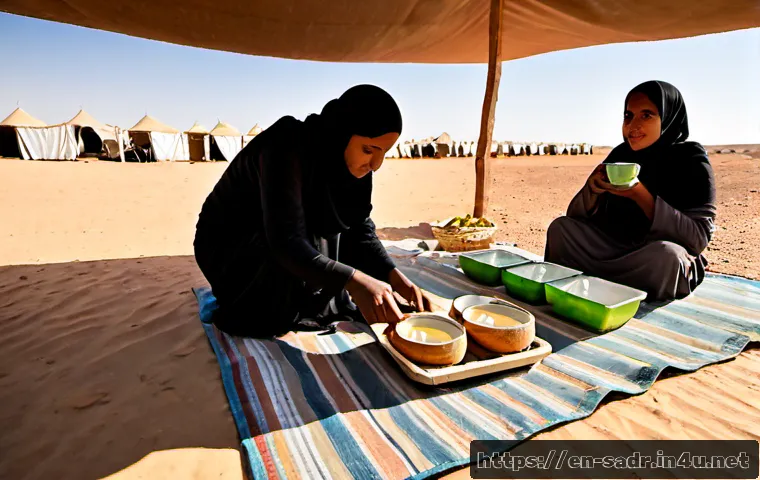
Sharing food is a fundamental aspect of Sahrawi society. Meals are traditionally served on a large communal platter, encouraging a sense of unity and togetherness.
This practice is more than just about eating; it’s a social ritual that strengthens bonds among family and tribe members. Typically, flatbreads like khobz accompany stews and grilled meats, used as both a utensil and a bread.
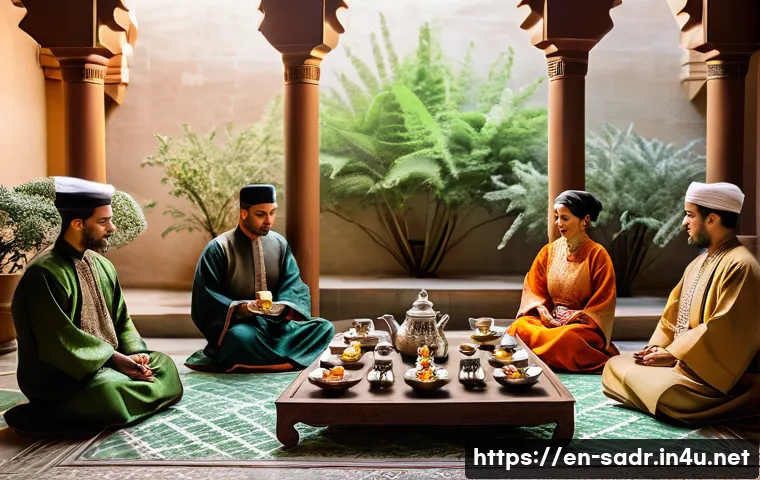
The act of breaking bread together while seated on carpets under the open sky creates a warm, inviting atmosphere. For visitors experiencing Sahrawi hospitality, this communal dining style offers an authentic glimpse into the values of generosity and solidarity that define desert life.
Morocco’s Spice Symphony and Culinary Diversity
The Artful Use of Spices and Herbs
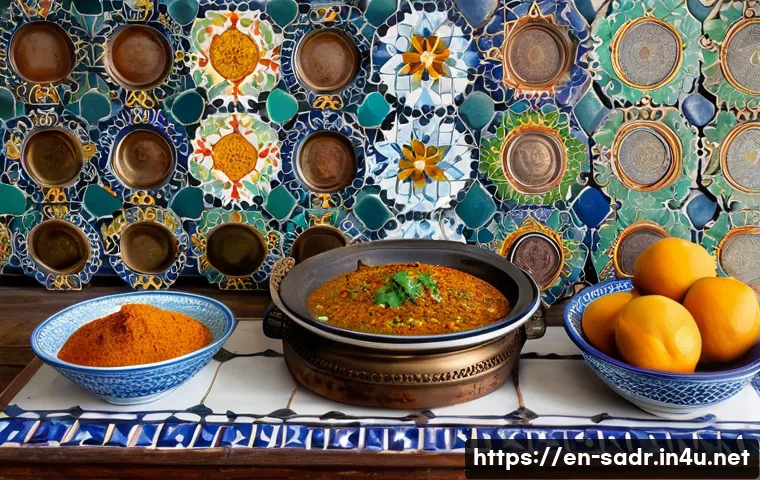
Moroccan cuisine is famous for its masterful blending of spices, creating layers of flavor that dance on the palate. Unlike the subtle seasoning of Sahrawi food, Moroccan dishes often boast bold combinations including cinnamon, saffron, ginger, and turmeric.
These spices are carefully balanced to produce dishes that are fragrant, colorful, and complex. For example, the iconic tagine—a slow-cooked stew named after the conical pot it’s prepared in—melds meat, vegetables, and dried fruits like apricots or raisins with a medley of spices to achieve a sweet-savory harmony.
My own experience tasting a traditional lamb tagine was unforgettable; the spices didn’t just flavor the meat but seemed to tell a story of centuries of culinary heritage.
Regional Ingredients and Their Impact on Flavor Profiles
Morocco’s geography—from the Mediterranean coast to the Atlas Mountains—offers an astonishing variety of fresh ingredients that enrich its cuisine. Olives, preserved lemons, fresh herbs like cilantro and parsley, and an array of vegetables are staples that contribute brightness and freshness.
Coastal regions incorporate seafood with traditional Moroccan spices, creating dishes that contrast beautifully with the rich inland fare. This diversity means Moroccan cuisine can cater to a broad spectrum of tastes, from hearty meat dishes to light, vegetable-focused meals.
The use of fresh ingredients combined with complex spices is a big part of why Moroccan food feels both exotic and comforting.
Celebration and Ritual in Moroccan Food Culture
Moroccan meals are often grand affairs, especially during celebrations or religious holidays. The preparation is meticulous, reflecting respect for tradition and hospitality.
Couscous, for instance, is more than a dish—it’s a cultural symbol often served on Fridays, the Muslim day of gathering. The presentation is equally important, with colorful ceramic dishes and intricate garnishes showcasing the care put into the meal.
Sharing food in Morocco is deeply tied to generosity and community, where offering guests multiple courses and endless mint tea is a sign of honor. Experiencing these rituals firsthand highlights how Moroccan cuisine is inseparable from its social and spiritual fabric.
Contrasting Staple Breads and Their Cultural Significance
Sahrawi Khobz: The Desert Flatbread
Khobz, a thick and rustic flatbread, is a cornerstone of Sahrawi meals. Baked traditionally in a clay oven or on hot stones, its dense texture and slightly charred crust make it perfect for scooping up stews and dips.
Because fresh bread is a precious commodity in the desert, every crumb is cherished. The bread’s simplicity mirrors the Sahrawi way of life—unpretentious yet essential.
I’ve noticed that this bread isn’t just food but a vehicle for connection, often broken and shared by hand to reinforce bonds during communal meals.
Moroccan Msemen and Baghrir: Textures and Traditions
In Morocco, bread takes many forms, each with a unique texture and culinary purpose. Msemen, a flaky layered flatbread, is often enjoyed with honey and butter for breakfast or as a snack.
Baghrir, known as “thousand-hole pancakes,” are light, spongy, and perfect for soaking up sweet syrups or savory sauces. These breads showcase Moroccan culinary artistry, requiring skillful folding and cooking techniques.
Their presence at the table adds variety and reflects the country’s rich baking heritage. Tasting these breads fresh from a Moroccan bakery, I was struck by how they elevate simple accompaniments into moments of delight.
How Bread Shapes Dining Experiences
Both Sahrawi and Moroccan breads serve as more than just sustenance—they shape how meals are eaten and experienced. In the Sahrawi tradition, bread’s sturdiness supports hearty communal stews, while in Morocco, the variety of breads enhances the diversity of dishes on offer.
The tactile experience of tearing bread by hand adds intimacy and ritual to each meal. This connection between bread and culture reveals how staple foods carry layers of meaning beyond their nutritional value.
Hearty Stews and Slow-Cooked Delights
The Sahrawi Meat and Vegetable Stews
Sahrawi stews often combine limited desert vegetables with tender meats like lamb or goat, slowly simmered to develop deep, robust flavors. Due to the scarcity of fresh produce, dried legumes such as lentils or chickpeas may be added to stretch meals and boost nutrition.
The slow-cooking process allows spices to infuse fully, resulting in rich, warming dishes perfect for chilly desert nights. I recall trying a lamb stew seasoned with cumin and a hint of chili—it was both comforting and intensely flavorful, a true reflection of Sahrawi hospitality and resourcefulness.
Moroccan Tagines: A Culinary Icon
Moroccan tagines are renowned for their ability to marry sweet and savory elements into a harmonious whole. The conical lid traps steam, ensuring meats and vegetables become tender and infused with spices.
Ingredients like preserved lemon and olives add unique tangy notes, while dried fruits provide sweetness. Tagines vary widely, from chicken with almonds and prunes to fish with chermoula marinade.
Preparing a tagine at home taught me the patience required to balance flavors carefully, but the result is an unforgettable dish that encapsulates Moroccan culinary philosophy.
Comparing Cooking Techniques and Their Effects
While both cuisines rely on slow cooking, the tools and seasonings used differ significantly. Sahrawi dishes often utilize open-fire methods and minimal spices, focusing on enhancing the natural qualities of ingredients.
Moroccan cooking, meanwhile, employs specialized cookware and a broader spice palette to create complex flavor layers. These differences highlight how environment and cultural history shape food traditions.
Whether it’s the smoky simplicity of Sahrawi stews or the elaborate aroma of Moroccan tagines, both styles offer deeply satisfying experiences rooted in their unique contexts.
Sweet Traditions and Dessert Rituals
Sahrawi Date-Based Sweets
Dates hold a special place in Sahrawi cuisine, not just as a snack but as the base for many traditional sweets. These treats often combine dates with nuts or honey, forming dense energy-rich bites perfect for desert travel.
The natural sweetness of dates is celebrated without excessive additives, preserving their pure flavor. Sharing such sweets during tea time is a cherished custom, symbolizing hospitality and warmth in an otherwise stark environment.
I found these delicacies surprisingly rich, a perfect contrast to the simple meals they often accompany.
Moroccan Pastries and the Art of Sugar
Morocco’s dessert scene is vibrant and intricate, featuring pastries like baklava and chebakia that showcase elaborate preparation and presentation. Sweetened with honey and sprinkled with sesame seeds or almonds, these confections are both visually stunning and decadently flavorful.
Moroccan sweets often accompany mint tea, creating a balanced sensory experience. Experiencing a Moroccan celebration, I was amazed at the variety and care devoted to desserts, reflecting the importance of sweetness and generosity in social gatherings.
The Role of Tea in Both Cultures
Tea is more than just a drink; it’s a ritual in both Sahrawi and Moroccan cultures. Sahrawi tea ceremonies are straightforward, focusing on green tea brewed strong and served with sugar to energize during long days.
In Morocco, mint tea is an elaborate affair, with the pouring technique believed to enhance flavor and aerate the drink. Both cultures use tea as a social lubricant, a way to welcome guests and foster connection.
I’ve found that sharing tea in either setting creates an immediate sense of belonging, underscoring the power of simple traditions.
Summary of Key Culinary Differences
| Aspect | Sahrawi Cuisine | Moroccan Cuisine |
|---|---|---|
| Main Ingredients | Millet, goat meat, dates, dried herbs | Olives, preserved lemons, varied meats, fresh herbs |
| Flavor Profile | Earthy, minimalistic, subtle spices | Bold, layered, complex spices |
| Cooking Methods | Open fire, sand baking, slow roasting | Tagine cooking, grilling, baking |
| Bread Types | Khobz (thick flatbread) | Msemen, Baghrir (layered and spongy breads) |
| Social Eating Style | Communal platters, hand-sharing | Elaborate presentations, multi-course meals |
| Sweet Traditions | Date-based sweets, simple and energy-rich | Honeyed pastries, nuts, and syrup-rich desserts |
| Tea Culture | Strong green tea with sugar | Mint tea with ritual pouring |
In Closing
The culinary traditions of the Sahrawi and Moroccan cultures beautifully showcase how environment, history, and lifestyle shape food practices. From the simplicity of desert ingredients to the vibrant spice blends of Morocco, each cuisine offers a unique taste experience. Exploring these differences reveals not only flavors but also rich cultural stories. Both invite us to appreciate food as a meaningful part of community and heritage.
Useful Information to Know
1. Sahrawi cuisine relies heavily on durable, local ingredients like millet, dates, and goat meat, which are perfect for desert survival.
2. Moroccan cooking is renowned for its complex spice combinations, including saffron, cinnamon, and turmeric, which create layered flavors.
3. Both cultures emphasize communal eating, but Sahrawi meals focus on shared platters while Moroccan dining often involves elaborate multi-course presentations.
4. Bread plays a vital role in both cuisines, with Sahrawi khobz offering a hearty, rustic base and Moroccan msemen and baghrir providing diverse textures.
5. Tea rituals differ, with Sahrawi green tea served strong and sweetened, and Moroccan mint tea poured with ceremony to enhance flavor and hospitality.
Key Takeaways
Understanding Sahrawi and Moroccan culinary traditions highlights how geography and culture influence food choices and social customs. The Sahara’s harsh conditions have led to resourceful, minimalist cooking, while Morocco’s diverse landscapes support rich, spice-driven dishes. Both cuisines emphasize hospitality and communal sharing, with bread and tea as central elements. Appreciating these distinctions deepens our connection to the cultural roots behind each meal and enriches the dining experience.
Frequently Asked Questions (FAQ) 📖
Q: What are the key differences between Sahrawi and Moroccan cuisines?
A: While both cuisines share North African roots, Sahrawi cuisine is deeply influenced by the nomadic desert lifestyle, focusing on simple, hearty dishes that rely on preserved ingredients, camel or goat meat, and traditional bread like “aghroum.” Moroccan cuisine, on the other hand, is known for its vibrant use of spices such as saffron, cumin, and cinnamon, as well as its rich variety of ingredients including olives, citrus, and diverse vegetables.
Moroccan dishes often showcase complex cooking techniques and layered flavors, like in tagines and couscous, reflecting centuries of cultural exchanges.
Q: Are there any traditional Sahrawi or Moroccan dishes that are must-tries for first-time visitors?
A: Absolutely! For Sahrawi cuisine, trying “meifrisa,” a slow-cooked stew made with lamb or goat and aromatic spices, is a great introduction to the hearty desert flavors.
Also, the traditional flatbread served with tea is a staple worth experiencing. For Moroccan cuisine, dishes like “chicken tagine with preserved lemons and olives” or “harira,” a rich tomato and lentil soup often eaten during Ramadan, are iconic and incredibly flavorful.
Sampling these dishes gives you a real taste of their culinary heritage.
Q: How do the nomadic traditions influence Sahrawi food culture compared to Moroccan urban cooking?
A: Sahrawi food culture is shaped by the realities of desert life and mobility, so meals tend to be practical, preserving food for long journeys and using ingredients that can withstand harsh conditions.
This results in simpler, nourishing dishes that prioritize sustenance over elaborate preparation. Moroccan urban cooking, especially in cities like Marrakech or Fez, benefits from access to diverse markets and fresh produce, allowing for more intricate recipes and a fusion of Berber, Arab, and Mediterranean influences.
The contrast highlights how environment and lifestyle directly impact culinary practices.