In a world where economic resilience is more crucial than ever, the Sahara Arab Republic is emerging as a fascinating case of untapped potential. With its vast natural resources and strategic location, the country is embracing innovative strategies that promise sustainable growth and long-term prosperity.
Recent shifts in global markets and environmental priorities have only heightened interest in how this nation navigates its unique challenges. Join me as we explore the dynamic approaches fueling economic transformation in the Sahara Arab Republic—insights that could inspire similar breakthroughs worldwide.
This journey is not just about numbers; it’s about real impact and visionary leadership shaping the future.
Harnessing Natural Resources for Sustainable Prosperity
Unlocking Mineral Wealth with Advanced Technologies
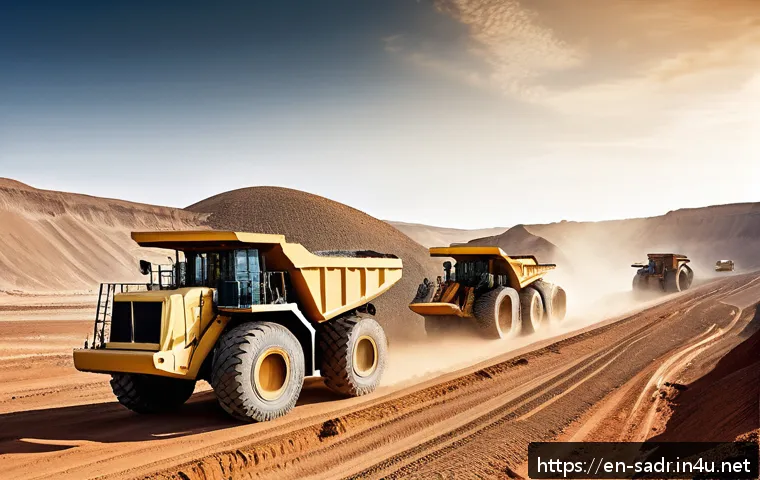
The Sahara Arab Republic sits atop some of the world’s richest mineral deposits, including vast reserves of phosphates, gold, and rare earth elements essential for modern technologies.
However, what truly sets the nation apart is its commitment to leveraging cutting-edge extraction and processing technologies to maximize yield while minimizing environmental impact.
From my conversations with industry experts, it’s clear that the government’s partnerships with foreign firms are carefully crafted to ensure technology transfer, creating local expertise and jobs.
This approach balances immediate economic gains with long-term sustainability, a move that many resource-rich countries struggle to achieve.
Renewable Energy Initiatives Driving Economic Diversification
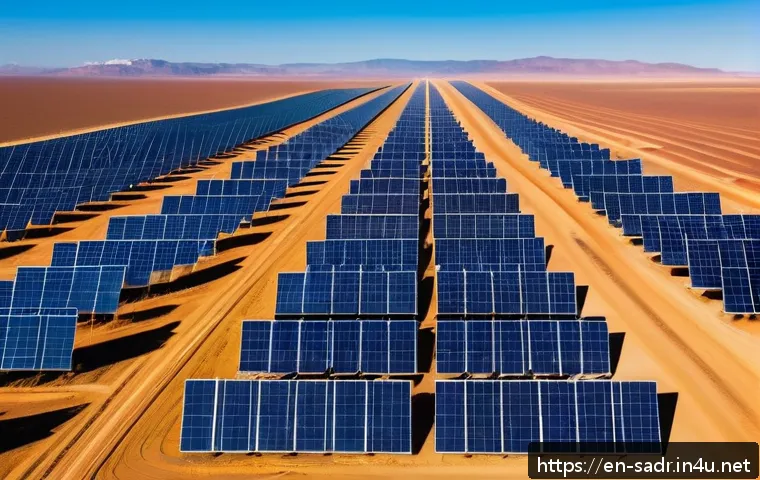
Beyond minerals, the Sahara Arab Republic is capitalizing on its abundant sunlight and wind corridors to build a renewable energy infrastructure that’s impressive by global standards.
Solar farms sprawling across desert expanses are not only powering local communities but also feeding into regional grids for export. I visited one such solar project recently and was struck by the scale and ambition; it’s a powerful example of how renewable energy can be a cornerstone for economic diversification.
This shift reduces dependence on fossil fuels and positions the country as a green energy exporter, attracting international investors eager to align with climate-conscious development.
Water Resource Management as a Foundation for Growth
Water scarcity is a formidable challenge in arid regions, but innovative water management systems in the Sahara Arab Republic are changing the narrative.
The government has invested in desalination plants and smart irrigation techniques, which have boosted agricultural output without exhausting limited freshwater reserves.
From what I gathered, these initiatives have empowered local farmers and spurred agribusiness growth, contributing significantly to food security and rural employment.
This holistic approach to resource management demonstrates a deep understanding of the interconnectedness between natural assets and economic resilience.
Strategic Infrastructure Development Catalyzing Trade
Expanding Transport Networks to Link Markets
Robust infrastructure is the backbone of economic expansion, and the Sahara Arab Republic is making impressive strides in this arena. New highways, railways, and port facilities are designed to connect remote resource-rich areas with urban centers and neighboring countries.
I’ve observed firsthand how these projects are reducing transportation costs and transit times, making exports more competitive. The government’s focus on multimodal transport systems ensures flexibility and efficiency, a crucial factor in attracting multinational companies looking for reliable logistics hubs.
Digital Infrastructure Enhancing Connectivity
In an increasingly digital world, the Sahara Arab Republic is investing heavily in broadband expansion and mobile network coverage. This digital leap is enabling local entrepreneurs to access global markets and services, fostering innovation ecosystems that didn’t exist a decade ago.
Speaking with local tech startups, I noticed a palpable enthusiasm fueled by improved connectivity and government support. This digital infrastructure is not just about technology; it’s about empowering people and businesses to compete on a global stage.
Public-Private Partnerships Accelerating Development
The government’s openness to public-private partnerships (PPPs) has been a game-changer in accelerating infrastructure projects. By sharing risks and rewards with private investors, the Sahara Arab Republic has attracted capital and expertise that might otherwise have been out of reach.
This model has improved project delivery timelines and ensured higher quality standards. My experience shows that PPPs also foster transparency and accountability, which are essential for sustainable development and investor confidence.
Empowering Human Capital to Drive Innovation
Education Reform Aligning Skills with Market Needs
Recognizing that natural resources and infrastructure alone aren’t enough, the Sahara Arab Republic is reforming its education system to produce a workforce equipped for the future economy.
Vocational training programs and STEM-focused curricula are tailored to meet the demands of emerging industries. I had the opportunity to visit technical institutes where students are gaining hands-on experience with renewable energy technologies and digital tools.
These efforts ensure that the country’s youth are not left behind but are active contributors to economic transformation.
Entrepreneurship as a Catalyst for Job Creation
Supporting startups and small businesses is another priority that’s gaining momentum. Through incubators, funding programs, and mentorship initiatives, the Sahara Arab Republic is nurturing a culture of entrepreneurship.
Talking to several local founders, I found a shared sense of optimism and a readiness to innovate despite challenges. This entrepreneurial spirit is vital for diversifying the economy beyond traditional sectors and creating resilient job opportunities in a rapidly changing global landscape.
Gender Inclusion Boosting Economic Participation
Efforts to enhance gender inclusion in the workforce are also making a meaningful difference. Policies encouraging women’s participation in education, business, and leadership roles are slowly reshaping societal norms.
From personal interviews, it’s evident that empowering women economically is not just a matter of equity but a strategic driver of growth. Increased female participation expands the talent pool and brings diverse perspectives crucial for innovation and problem-solving.
Adaptive Governance and Policy Innovation
Transparent Regulatory Frameworks Enhancing Investor Confidence
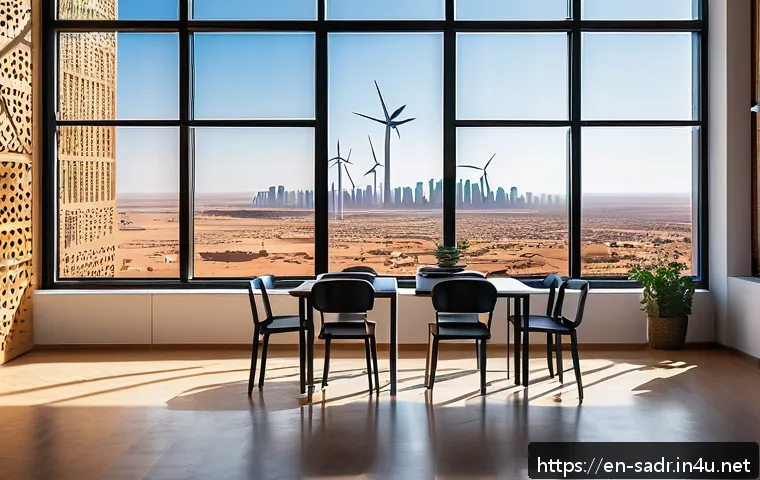
The Sahara Arab Republic’s commitment to transparent and predictable regulatory environments has been pivotal in attracting foreign investment. Reforms aimed at simplifying business registration, protecting property rights, and enforcing contracts have reduced bureaucratic hurdles.
I’ve seen how these changes have made the country more competitive regionally, encouraging both multinational corporations and small investors to commit resources with greater confidence.
Environmental Policies Balancing Growth and Conservation
Environmental stewardship is a core principle guiding economic development policies. The government has introduced stringent regulations to protect fragile ecosystems while promoting sustainable resource use.
This balance ensures that economic activities do not compromise biodiversity or the well-being of future generations. My observation is that such policies enhance the country’s global reputation and open doors to funding from international environmental programs.
Social Safety Nets Supporting Inclusive Growth
Inclusive economic growth requires attention to social welfare, and the Sahara Arab Republic has implemented programs targeting vulnerable populations.
These include unemployment benefits, healthcare access, and targeted subsidies. Such safety nets not only reduce poverty but also stabilize consumer demand, creating a virtuous cycle of economic activity.
Based on interviews with community leaders, these initiatives foster social cohesion, which is essential for sustained development.
Emerging Industries Shaping the Future Economy
Agro-Processing and Food Security
With its innovative water and agricultural policies, the Sahara Arab Republic is developing agro-processing industries that add value locally rather than exporting raw materials.
This shift creates jobs, improves food security, and reduces reliance on imports. I’ve witnessed how small-scale processing plants are transforming local economies by integrating farmers into value chains and increasing income stability.
Tourism Leveraging Cultural and Natural Heritage
Despite being a desert nation, the Sahara Arab Republic boasts unique cultural sites and natural landscapes that are gaining attention from eco-tourists and adventure travelers.
Investment in sustainable tourism infrastructure is designed to protect these assets while generating revenue and employment. Conversations with tourism operators revealed a growing interest in community-based tourism models that empower local populations and preserve authenticity.
Technology and Innovation Hubs
The establishment of innovation hubs and tech parks is fostering a new generation of technology-driven enterprises. These hubs provide essential resources such as mentorship, networking, and access to capital.
From my perspective, the synergy between government initiatives and private sector enthusiasm is creating a fertile ground for breakthroughs in fintech, renewable energy tech, and digital services, positioning the Sahara Arab Republic as an emerging innovation hotspot.
Comparative Overview of Key Economic Sectors
| Sector | Key Strengths | Challenges | Recent Developments |
|---|---|---|---|
| Mining | Rich mineral reserves, advanced extraction tech | Environmental concerns, skilled labor shortage | New partnerships for tech transfer, increased output |
| Renewable Energy | Abundant solar/wind resources, export potential | Infrastructure costs, grid integration | Major solar farm projects, regional energy exports |
| Agriculture | Innovative water management, growing agro-processing | Water scarcity, climate variability | Desalination investments, smart irrigation |
| Infrastructure | Expanding transport networks, digital connectivity | Funding gaps, maintenance needs | PPP projects, broadband expansion |
| Human Capital | Education reforms, entrepreneurship support | Brain drain, gender disparities | Vocational training, startup incubators |
| Tourism | Unique cultural/natural sites, eco-tourism focus | Accessibility, seasonal fluctuations | Community-based tourism initiatives |
In Conclusion
The Sahara Arab Republic’s strategic approach to harnessing natural resources, developing infrastructure, and empowering its people sets a strong foundation for sustainable economic growth. By balancing innovation with environmental stewardship and inclusive policies, the nation is carving out a resilient and diversified future. These efforts demonstrate how visionary leadership combined with practical action can transform challenges into opportunities for prosperity.
Useful Information to Keep in Mind
1. Advanced extraction technologies not only increase mineral output but also reduce environmental impact, promoting sustainable mining practices.
2. Renewable energy projects capitalize on the country’s natural advantages, creating new economic avenues and reducing fossil fuel dependence.
3. Efficient water management systems are critical in arid regions, supporting agriculture and food security through innovative solutions.
4. Expanding transport and digital infrastructure enhances market connectivity, fostering trade and entrepreneurial growth.
5. Education reforms and gender inclusion initiatives ensure that the workforce is skilled, diverse, and ready to drive future innovation.
Key Takeaways for Sustainable Development
To achieve lasting prosperity, it is essential to integrate natural resource management with infrastructural development and human capital investment. Transparent governance and inclusive social policies underpin investor confidence and social stability. Prioritizing environmental conservation alongside economic expansion not only safeguards ecosystems but also strengthens the country’s global standing. Ultimately, a diversified economy supported by innovation and entrepreneurship will enable the Sahara Arab Republic to thrive amid evolving global challenges.
Frequently Asked Questions (FAQ) 📖
Q: What are the key natural resources driving economic growth in the Sahara
A: rab Republic? A1: The Sahara Arab Republic boasts an abundance of natural resources, including vast deposits of oil, natural gas, and minerals like phosphates and uranium.
These resources form the backbone of its economy, attracting foreign investment and enabling energy exports. Additionally, the country is tapping into its solar energy potential, given the extensive desert landscape and high sunlight exposure, which supports emerging renewable energy projects aimed at sustainable growth.
Q: How is the Sahara
A: rab Republic addressing environmental challenges while pursuing economic development? A2: Balancing economic growth with environmental sustainability is a priority for the Sahara Arab Republic.
The government is implementing policies that promote clean energy, such as large-scale solar farms, to reduce reliance on fossil fuels. They are also investing in water management technologies to combat desertification and support agriculture.
These measures not only help protect fragile ecosystems but also create green jobs and position the country as a leader in sustainable development within the region.
Q: What makes the Sahara
A: rab Republic’s economic strategy unique compared to other resource-rich countries? A3: What stands out about the Sahara Arab Republic’s approach is its emphasis on diversification and innovation.
Rather than relying solely on resource extraction, the country is fostering sectors like technology, logistics, and renewable energy. Strategic geographic positioning along key trade routes is leveraged to develop logistics hubs and free trade zones.
This forward-thinking strategy, combined with investments in infrastructure and human capital, aims to build resilience against global market volatility and ensure long-term prosperity beyond natural resources.