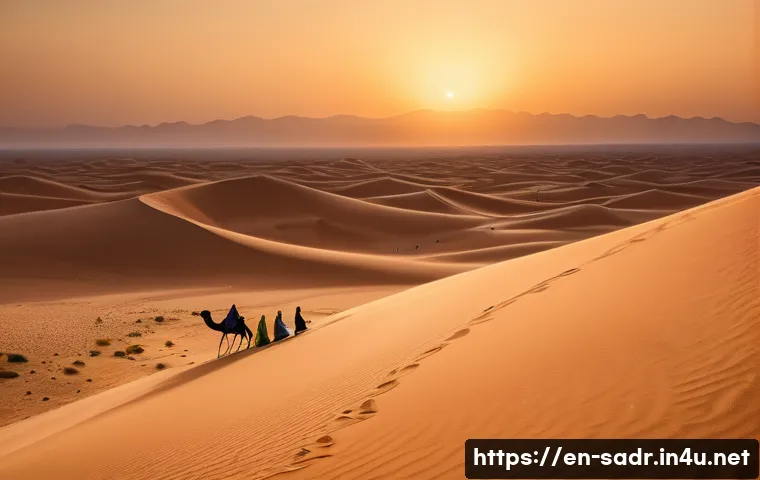
You know, sometimes I find myself just absolutely captivated by the incredible tapestry of languages woven across our world. Every corner, every community, has a unique way of expressing itself, and it always tells such a profound story about their history, their resilience, and their identity.
Lately, I’ve been fascinated by the Sahrawi Arab Democratic Republic, a place many might not know much about, but one that boasts a truly compelling cultural narrative.
Their linguistic landscape is particularly intriguing, reflecting a blend of deep-rooted traditions and the echoes of historical connections. It’s not just about learning a few new words; it’s about understanding how a community communicates, preserves its heritage, and navigates its place in the world.
If you’ve ever pondered the power of language to shape a nation, or how different tongues coexist in a dynamic environment, then you’re in for a treat.
This isn’t just a linguistic lesson; it’s a peek into the very heart of a remarkable people. Let’s peel back the layers and discover exactly what makes their linguistic environment so special.
Below, we’ll dive in and find out precisely what languages you’d encounter, and why!
A Captivating Blend of Ancient Voices
You know, sometimes when you travel, or even just learn about a new place, you expect to find one dominant language, maybe a few scattered dialects. But diving into the linguistic world of the Sahrawi Arab Democratic Republic? It’s a whole different ballgame. It’s like peeling back layers of history, identity, and sheer resilience. What truly struck me when I first started exploring this was how deeply interwoven language is with their very spirit. It’s not just about communication; it’s a living, breathing testament to who they are, where they’ve come from, and the future they’re building. Every word, every phrase, carries a weight of cultural significance that you can almost feel vibrating in the air. It truly made me rethink my own assumptions about what language truly means to a community, especially one facing such unique challenges. I mean, it’s just absolutely fascinating how deeply rooted their linguistic traditions are, reflecting a blend of ancient nomadic routes and the vibrant cultural exchanges that have shaped this incredible region for centuries. It’s more than just speaking; it’s storytelling, it’s preserving, it’s celebrating, and it made me feel an incredible connection to their ongoing journey.
Hassaniya: The Soul of Sahrawi Identity
If you’re ever lucky enough to spend time with the Sahrawi people, you’ll quickly realize that Hassaniya Arabic isn’t just a language; it’s the very essence of their identity. I remember hearing it spoken for the first time, and there’s a certain musicality to it, a richness that immediately draws you in. It’s a unique dialect of Arabic, heavily influenced by Berber languages, and it carries with it the echoes of the desert, the wisdom of generations of nomads, and the fierce pride of a people deeply connected to their land. When I tried to learn a few phrases, I felt like I was doing more than just memorizing words; I was connecting with centuries of oral tradition. It’s truly a living archive of their history, their poetry, their proverbs. The way stories are passed down, the nuances of humor, the expressions of hospitality—all of it is deeply embedded in Hassaniya. It’s a powerful cultural anchor, especially for a community that has faced so much upheaval and displacement. It shows just how vital language is in preserving a sense of self, no matter the circumstances, and frankly, it left me feeling incredibly inspired by their resilience.
Beyond Just Words: The Oral Tradition
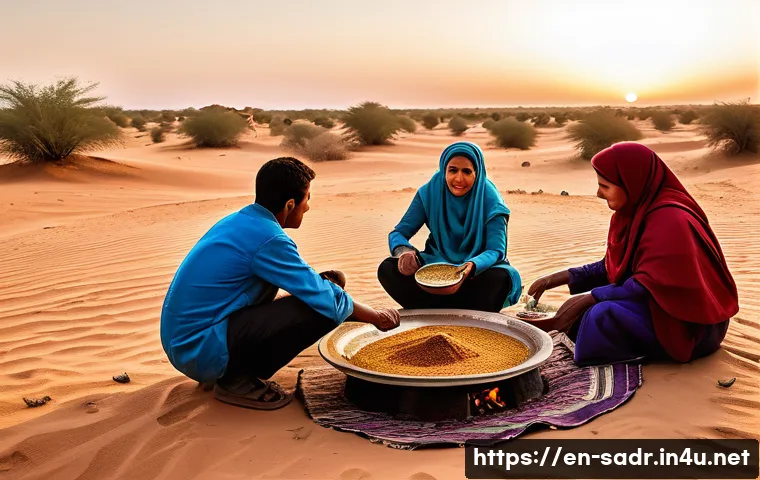
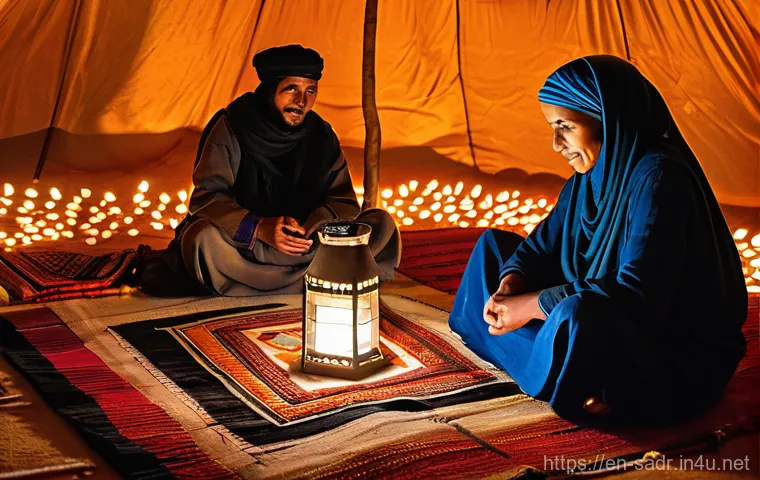
What really amazed me about Hassaniya is its incredible oral tradition. It’s not like simply listening to someone speak; it’s an experience. I’ve always been a big fan of storytelling, but in Sahrawi culture, it’s elevated to an art form, a crucial way of transmitting knowledge and values from one generation to the next. Imagine sitting under the stars, listening to elders recount tales of resilience, history, and heroism, all woven into the rhythmic cadence of Hassaniya. It’s captivating! This isn’t just casual conversation; it’s how their history books are written, how their ethics are taught, and how their community bonds are strengthened. It truly makes you appreciate the profound power of spoken word, especially in a context where written records might be scarce. It made me realize that some of the most profound lessons and richest histories aren’t found in libraries, but in the voices of people carrying their heritage forward, one story at a time. It’s a vibrant, living heritage that you just don’t encounter every day, and it’s something truly special to witness.
Echoes of History: A Lingering Colonial Tongue
You might be surprised to learn that another significant language ripples through the Sahrawi landscape: Spanish. Yes, Spanish! For me, it was one of those “aha!” moments that really underscored the complex history of the region. It’s a direct legacy of Spain’s colonial past in the Western Sahara, and you can still feel its presence in so many ways. It’s not just in official documents or formal settings; you hear it in conversations, especially among older generations, and it’s deeply embedded in their educational system. I actually found it quite fascinating how a language from a faraway land could become such an integral part of a community’s identity, even after independence movements. It speaks volumes about the enduring impact of historical ties and how cultures adapt and absorb new elements over time. It’s a reminder that language isn’t static; it’s a dynamic tapestry woven from various threads, each telling a piece of the story. Honestly, it made me reflect on how my own country’s history has shaped its linguistic diversity, and I found myself drawing parallels in unexpected ways.
A Legacy of Spanish Influence
The influence of Spanish is undeniable, and it’s truly a testament to the decades of colonial rule. While Hassaniya remains the heartbeat of daily life, Spanish holds a unique position, particularly in education and the administration within the Sahrawi refugee camps in Algeria. Many Sahrawis have been educated in Spanish-speaking environments, and for some, it serves as a crucial link to the outside world, especially for communication with international aid organizations and their global diaspora. I remember meeting a young man who spoke flawless Spanish, and he explained how it opened doors for him in terms of accessing information and connecting with people far beyond his immediate community. It’s not just about speaking a second language; it’s about having a tool that facilitates opportunities and broadens perspectives, and it really struck me how practically vital this linguistic legacy has become. It’s a living bridge between their past and their present, showcasing how languages can serve multiple, incredibly important functions.
When and Where You’d Hear It
So, where exactly would you encounter Spanish in the Sahrawi context? Well, if you were to visit the refugee camps, for instance, you’d quickly notice it in school curricula, on official signs, and frequently in conversations when discussing politics, international affairs, or even just sharing news from abroad. I’ve heard stories from aid workers about how Spanish often acts as a common ground for communication when there are diverse groups of people present. It’s also quite prevalent in media – radio broadcasts, for example, often feature content in Spanish alongside Hassaniya. What’s really cool is how it coexists with Hassaniya, sometimes even blending in conversations, creating this really unique linguistic environment. It’s not about one language replacing another; it’s about them complementing each other, serving different purposes, and together painting a comprehensive picture of the Sahrawi experience. This kind of linguistic symbiosis is something I find truly fascinating, showing how resilient and adaptable communities can be.
Beyond Borders: The Reach of Regional Dialects
It’s easy to think of language as neatly contained within borders, but the Sahrawi linguistic landscape beautifully defies that notion. The truth is, Hassaniya isn’t just spoken in the SADR; it’s a regional dialect of Arabic that spans across parts of Mauritania, Morocco, and even parts of Mali and Algeria. This geographical spread means that while the Sahrawi Hassaniya has its own distinct flavors and cultural nuances, it also shares a deep connection with its neighbors. This interconnectedness is something that really resonated with me, as it highlights how people and cultures are never truly isolated. The desert, far from being a barrier, has historically been a highway for communication, trade, and cultural exchange, and language has been the primary vehicle for all of it. This fluidity of language across physical boundaries makes the Sahrawi context even richer and more complex, showing how linguistic evolution is a continuous, shared journey. It’s a living testament to how interconnected humanity truly is, especially in regions where shared traditions transcend arbitrary lines on a map.
Understanding Cross-Border Connections
When you delve into the nuances of Hassaniya, you start to see these cross-border connections emerge. While there might be subtle differences in pronunciation or vocabulary from one area to another, the core remains the same, allowing for communication and understanding across vast distances. This shared linguistic heritage fosters a sense of solidarity and cultural kinship among Hassaniya speakers throughout the broader region. I found it quite moving, actually, imagining how people navigating the vast desert could still communicate, share stories, and maintain their cultural fabric, all thanks to this shared tongue. It’s a powerful reminder that culture isn’t confined by political lines, and that language can be an incredibly potent force for unity, even in diverse and often challenging environments. This shared linguistic space underscores the historical and cultural interconnectedness of the Maghreb and West African regions, painting a more holistic picture than any map ever could.
Subtle Variations You Might Notice
Of course, just like any widely spoken language, Hassaniya isn’t entirely uniform. There are subtle regional variations that speakers from different areas might notice. For instance, the accent or certain idiomatic expressions might differ slightly between Sahrawi Hassaniya and the Hassaniya spoken in, say, central Mauritania. These aren’t huge barriers to communication, but rather charming indicators of local identity and pride. It’s a bit like how someone from Texas might speak English slightly differently than someone from New York, yet they understand each other perfectly well. These subtle differences add layers of richness and character to the language, making it even more dynamic and interesting to observe. For an outsider, picking up on these little nuances can be incredibly rewarding, giving you an even deeper appreciation for the local culture and the unique way people express themselves within their own communities.
Language as a Pillar of Identity and Resistance
Now, here’s where the power of language truly shines in the Sahrawi context: it’s not just a means of communication, but a powerful pillar of identity and, indeed, a tool of cultural resistance. For a people who have faced displacement and a struggle for self-determination, their language, Hassaniya, becomes an incredibly potent symbol of their unique heritage and their unwavering resolve. I’ve always believed that language is deeply tied to who we are, but witnessing how passionately the Sahrawi people cling to and cultivate their language gave me a whole new appreciation. It’s a declaration of their existence, a living memory of their past, and a fervent hope for their future. Every story told, every song sung in Hassaniya, is an act of preserving their culture against external pressures and ensuring that their identity remains vibrant and distinct. It really makes you think about the profound impact of linguistic preservation on a community’s spirit and its fight for recognition.
More Than Just Words: A Symbol of Self-Determination
When you talk to Sahrawis, you quickly understand that Hassaniya is intrinsically linked to their aspirations for self-determination. It’s a language that articulates their national narrative, their grievances, and their dreams. In the refugee camps, for example, the promotion of Hassaniya is a deliberate and vital part of their cultural programs, aimed at strengthening national identity among the younger generations. This isn’t just about language lessons; it’s about instilling a sense of belonging and a connection to their roots, even when living far from their ancestral lands. I personally found this incredibly moving – to see how a language could carry the weight of a nation’s hopes and dreams. It’s a testament to the idea that culture, especially language, is a critical component of political identity and a potent force in shaping a people’s destiny.
The Role of Poetry and Song
You absolutely cannot talk about Hassaniya without mentioning its rich tradition of poetry and song. Seriously, it’s a huge part of their cultural expression! Poetry, especially, is highly revered and serves as a powerful medium for conveying emotions, historical events, and social commentary. It’s like a living newspaper, a chronicle of their joys and sorrows, their struggles and triumphs. I’ve heard recordings of Sahrawi poetry, and even without understanding every word, the passion and rhythm are palpable. Songs often tell stories of resilience, love for their land, and hopes for peace. This oral art form plays a critical role in preserving historical memory and reinforcing cultural values. It really makes you appreciate how art, particularly through language, can be an incredible vehicle for cultural transmission and emotional expression, especially for a people who cherish their heritage so deeply.
Navigating Daily Life: Practical Linguistic Tips
Alright, if you’re anything like me, whenever you learn about a new place, your mind immediately jumps to, “Okay, how do I say ‘hello’?” or “What are the essentials?” Well, when it comes to the Sahrawi linguistic environment, having a few key phrases in Hassaniya can really go a long way. Even if you only manage a simple greeting, the effort is genuinely appreciated and can open doors to warmer interactions and deeper cultural understanding. Remember, while Spanish might be used in some official capacities or with certain individuals, Hassaniya is the language of the heart, the language of everyday life, and making an effort to speak it shows respect for their culture. I mean, who doesn’t love it when you try to speak their language, right? It breaks down barriers and just makes everything a bit more personal and genuine. Plus, it’s a fantastic way to stretch your linguistic muscles and learn something truly unique!
Key Phrases for Travelers
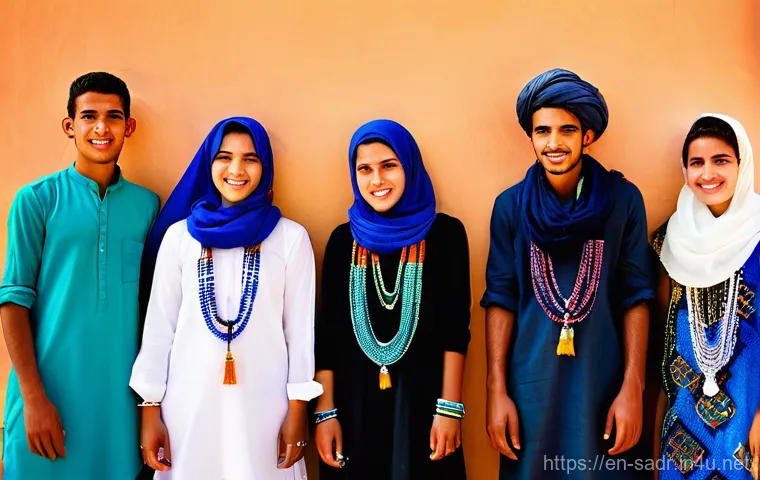
So, what should you keep in your linguistic toolkit? Here’s a little table of some absolute must-know phrases that I’d recommend jotting down. Trust me, even a little goes a long way. For example, knowing how to say “As-salamu alaykum” (peace be upon you) is your universal greeting, and it’s always met with a warm response. Learning “Shukran” (thank you) is another essential. And if you really want to impress, try “Labas?” (How are you?) followed by “Alhamdulillah” (Praise be to God) as a common, polite response. These aren’t just words; they’re gateways to connection. I’ve found that even struggling through a few phrases often elicits smiles and a genuine desire from locals to help you out, which makes any travel experience so much richer. It’s truly a small investment for a huge return in terms of goodwill and cultural immersion.
| English Phrase | Hassaniya Arabic | Pronunciation (Approximate) |
|---|---|---|
| Hello / Peace be upon you | As-salamu alaykum | Ah-sah-lah-moo ah-lay-koom |
| Thank you | Shukran | Shook-ran |
| How are you? | Labas? | Lah-bas? |
| I’m fine / Praise be to God | Alhamdulillah | Al-ham-doo-li-lah |
| Yes | Na’am | Na-am |
| No | La | Lah |
Getting Around with a Smile
Beyond basic phrases, understanding the general linguistic etiquette is also super helpful. People are usually very patient and understanding if you’re struggling with the language. A smile and a gesture often communicate more than you’d think! In many settings, especially in the camps or more traditional communities, it’s common for people to assist you if you need help, and a local guide or translator can be invaluable. Don’t be shy about asking for clarification or repeating yourself; most people appreciate the effort. And remember, the Sahrawi people are known for their incredible hospitality, so even if there’s a language barrier, their warmth and kindness often transcend words. I’ve personally found that an open mind and a willingness to engage are far more important than perfect grammar when you’re trying to connect with people from different linguistic backgrounds. It’s about building bridges, one friendly interaction at a time.
The Younger Generation: Shaping the Future of Sahrawi Speech
It’s truly fascinating to observe how the younger generation in the Sahrawi community is navigating this rich linguistic tapestry. They are the inheritors of Hassaniya and the legacy of Spanish, but they are also growing up in an increasingly globalized world. This means they’re not just preserving the past; they’re actively shaping the future of Sahrawi linguistic identity, often by embracing new influences. I’ve seen firsthand how adaptable and curious young people are when it comes to languages, and the Sahrawi youth are no exception. They are finding innovative ways to keep their heritage alive while simultaneously engaging with global trends, and this dynamic balance is incredibly inspiring. It’s a powerful reminder that language is a living entity, constantly evolving and adapting with each new generation, reflecting their hopes, dreams, and their vision for the future of their community.
Embracing Modernity While Preserving Roots
For many young Sahrawis, there’s a conscious effort to embrace modernity – whether through technology, media, or new forms of education – without losing sight of their linguistic roots. You might find them creating content in Hassaniya for social media, or using Spanish to engage with international audiences on issues relevant to their cause. This blend is crucial. It shows that preserving their language doesn’t mean isolating themselves; rather, it’s about empowering their voice on a global stage. This forward-thinking approach to language ensures that Hassaniya remains relevant and continues to be a vibrant part of their contemporary identity. It made me realize that linguistic preservation isn’t just about looking backward; it’s about creatively ensuring a language thrives in the present and into the future.
Educational Initiatives
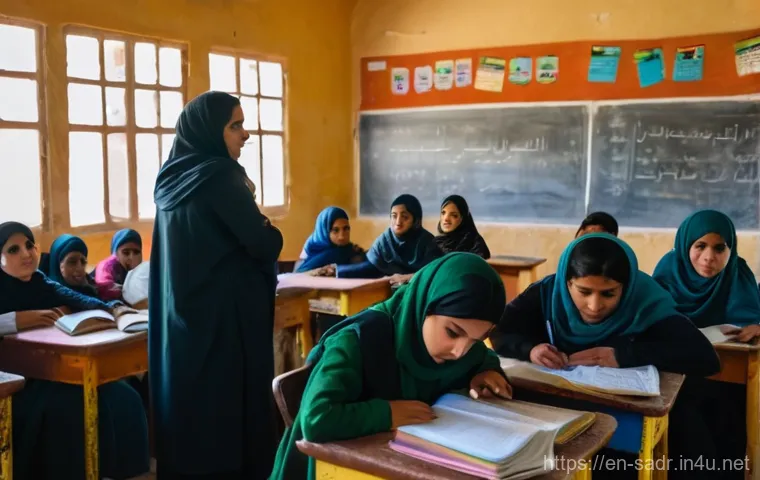
Education plays a monumental role in this. In the refugee camps, schools often teach in a bilingual model, incorporating both Hassaniya and Spanish, sometimes even Classical Arabic. This dual approach ensures that children are deeply rooted in their cultural heritage while also being equipped with a language that provides access to higher education and global communication. It’s a really thoughtful strategy that prepares them for a complex world. I’ve always admired educational systems that prioritize both cultural relevance and practical utility, and the Sahrawi approach truly embodies this. It ensures that the linguistic legacy is passed down effectively, allowing future generations to proudly carry their cultural torch while confidently engaging with the wider world around them.
Keeping Traditions Alive: The Role of Storytelling
Stepping back from the practicalities, let’s talk about the magic of storytelling. For centuries, across countless cultures, stories have been the very fabric of human connection, and in the Sahrawi Arab Democratic Republic, this is profoundly true. It’s not just about entertainment; storytelling in Hassaniya is a critical mechanism for keeping history, values, and cultural knowledge alive. This is something I’ve seen time and again in communities deeply connected to their oral traditions, and it always leaves me utterly captivated. Imagine generations gathered around, passing down tales of the desert, of ancestors, of struggles and triumphs – all in the rich, evocative language of Hassaniya. It’s a living library, meticulously preserved in the minds and voices of the people, ensuring that their shared heritage is never forgotten, no matter the challenges they face. It’s truly a powerful and deeply personal way to connect with a culture’s soul.
Oral Traditions as Living Libraries
In a region where written records might not have always been widely accessible, oral traditions become incredibly important, serving as the community’s living libraries. Elders, in particular, are revered as custodians of history and wisdom, and they play a vital role in transmitting this knowledge through storytelling. These stories aren’t just simple narratives; they often contain complex moral lessons, historical accounts, and rich descriptions of their way of life. When I heard about this, I immediately thought about how incredibly resourceful and resilient a culture must be to maintain such a detailed and vibrant history solely through spoken word. It’s a testament to the power of human memory and the deep respect for elders in Sahrawi society. It truly shows how profound and rich a culture can be even without extensive written documentation, with every story carrying the weight of generations.
Family and Community Bonds
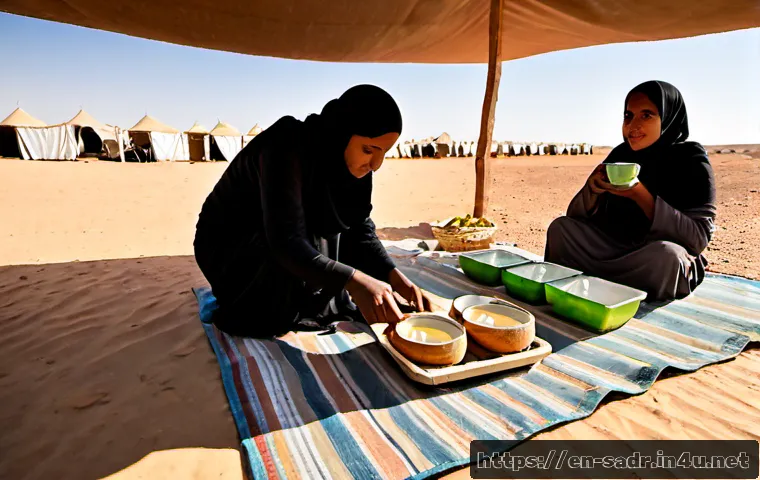
Beyond historical preservation, storytelling plays a crucial role in strengthening family and community bonds. These moments of sharing stories, often accompanied by tea ceremonies, are opportunities for intergenerational connection and cultural reinforcement. Children learn about their heritage, their family’s lineage, and the values that are important to their community, all through the captivating power of narrative. It’s a communal activity that fosters a sense of belonging and shared identity. I’ve always cherished family stories, but seeing it as such a foundational element of an entire culture’s survival really put it into perspective for me. It underscores how language, in its most expressive forms like storytelling, isn’t just about conveying information; it’s about building and nurturing the very fabric of society, one heartfelt tale at a time, making for truly unforgettable moments.
Wrapping Things Up
Wow, what an incredible linguistic journey we’ve just taken together! Reflecting on the Sahrawi Arab Democratic Republic, it’s truly astounding how language acts not just as a means of communication, but as a vibrant, living testament to resilience, history, and unwavering identity. My own understanding has deepened immensely, and I hope yours has too. It’s a powerful reminder that behind every word lies a world of culture, emotion, and profound human experience. This exploration truly left me with a sense of awe for the Sahrawi people and their enduring spirit.
Handy Information to Keep in Mind
1. Embrace the Effort: Even a few basic phrases in Hassaniya can open doors to incredibly warm interactions. People truly appreciate the effort, no matter how small, and it shows respect for their heritage.
2. Seek Out Oral Traditions: If you ever have the chance, immerse yourself in Sahrawi storytelling or poetry. It’s a profound way to connect with their history and cultural values, often more insightful than any textbook.
3. Leverage Spanish When Needed: Don’t hesitate to use Spanish for formal communication or when dealing with official matters, especially in the camps. It’s a practical bridge to wider resources and understanding.
4. Observe and Learn: Pay attention to how languages are used in daily life. You’ll notice fascinating shifts between Hassaniya and Spanish depending on the context, which offers deeper insights into their social dynamics.
5. Connect with the Younger Generation: The youth are often a fascinating blend of tradition and global influences. Engaging with them can provide a unique perspective on how Sahrawi identity is evolving in the modern world.
Key Takeaways from Our Journey
After diving deep into the linguistic landscape of the Sahrawi Arab Democratic Republic, what truly stands out to me is the profound, almost sacred, role language plays in their identity. Hassaniya isn’t merely a dialect; it’s the very soul of their culture, a powerful repository of their history, values, and dreams for self-determination. And then there’s Spanish, a poignant echo of their colonial past, now repurposed as a vital tool for education and global engagement. This intricate linguistic tapestry paints a picture of a people who, despite immense challenges, fiercely guard their heritage while strategically navigating the complexities of the modern world. It’s a testament to the resilience of the human spirit and the unbreakable link between language and identity.
Frequently Asked Questions (FAQ) 📖
Q: uestions about the Sahrawi
A: rab Democratic Republic’s Languages
Q: What are the primary languages you’d encounter in the Sahrawi
A: rab Democratic Republic, and how do they reflect the region’s unique heritage? A1: Oh, this is such a great question to start with because it really gets to the heart of their identity!
When you look at the Sahrawi Arab Democratic Republic, you’ll find a fascinating blend of languages that tell a rich story. The main local language, the everyday tongue that Sahrawis use, is Hassaniya Arabic.
This isn’t just any Arabic dialect; it’s got its own flavor, influenced by some of the original Berber languages of the region. It’s the language of their homes, their stories, and their cultural traditions, really embodying their nomadic heritage.
While Hassaniya Arabic is the heart of their communication, Modern Standard Arabic holds the official status in the SADR constitution. Think of it as the language for formal documents and official communication.
So, you’ve got this beautiful dynamic between the formal and the familiar, both deeply rooted in their Arab identity.
Q: How does Spanish factor into the linguistic landscape of the Sahrawi
A: rab Democratic Republic, and why is it still so prominent today? A2: Now, this is where it gets really interesting and you see the echoes of history! You might be surprised to learn that Spanish plays a hugely significant role in the Sahrawi Arab Democratic Republic, almost acting as a de facto working language.
It’s a direct legacy of Spain’s colonization of Western Sahara, which lasted until 1975. I’ve personally found it so compelling how a colonial language can be embraced in such a unique way.
Many older Sahrawis who went to school during the Spanish colonial era are quite proficient in it, and crucially, Spanish is still taught to younger generations in the Sahrawi refugee camps in Algeria.
It’s not just a historical relic; Spanish is actively used in education, healthcare, and even in international relations. In fact, it’s quite something that the SADR president once stated it’s the only Arab country where Spanish holds an official language status.
It truly showcases how resilient and adaptable cultures can be, taking a part of their past and making it their own for the present and future.
Q: What efforts are being made within the Sahrawi
A: rab Democratic Republic to preserve its distinct linguistic and cultural identity for future generations? A3: I’ve often pondered how communities, especially those facing unique challenges, work to keep their heritage alive.
And let me tell you, the Sahrawi Arab Democratic Republic is doing some incredible work when it comes to preserving its linguistic and cultural identity!
Despite all the difficult conditions, particularly for those living in refugee camps, education is actually free, compulsory, and bilingual, focusing on both Arabic and Spanish.
Can you believe they boast a literacy rate of around 96%? That’s truly remarkable! This commitment to education is key to ensuring that their languages, especially Hassaniya Arabic, continue to thrive.
Beyond formal education, the Sahrawi people deeply value their cultural expressions like poetry, music, and oral traditions. These aren’t just hobbies; they’re vital tools for storytelling and passing down their history and values.
It’s a powerful testament to their spirit and determination to cultivate new generations with a strong sense of identity and purpose, ready to rebuild and uphold their unique heritage.