You know, sometimes the world’s hidden corners hold the most fascinating economic stories. Lately, I’ve been completely engrossed in understanding the intricate dance of trade in places we don’t often hear about on the nightly news.
Take the Sahrawi Arab Democratic Republic, for instance. It’s a region brimming with potential, yet its economic landscape, particularly its imports and exports, is a complex tapestry woven with natural riches, geopolitical challenges, and the everyday resilience of its people.
I always find it incredibly insightful to peel back these layers and see how global forces, legal battles, and local livelihoods intersect. When you look closely, you realize that while the territory is incredibly rich in resources like phosphates and has a vibrant fishing industry, its economic sovereignty is a constant point of discussion on the international stage.
This creates a really unique situation where trade isn’t just about supply and demand; it’s also about international law, human rights, and the future of a nation.
We see significant movements of essential goods like foodstuffs and fuel coming in, reflecting both the arid climate and the needs of its key industries.
The ongoing legal challenges against companies dealing in these resources without the consent of the Sahrawi people, coupled with the potential for oil exploration down the line, certainly paint a dynamic picture of current trends and future possibilities.
It truly makes you wonder about the long-term impacts of such a contested economic environment on daily life. How do these larger issues translate into tangible realities for the people living there?
This isn’t just a dry economic report; it’s a story of an economy striving for recognition and self-determination against a backdrop of rich natural wealth and complex political currents.
We’re going to get to the bottom of all this and uncover the precise details. Let’s delve into the fascinating world of the Sahrawi Arab Democratic Republic’s trade, and I’ll tell you exactly what’s happening!
A Glimpse into the Sahrawi Economy’s Backbone: The Fishing Industry
The Ocean’s Bounty and Its Challenges
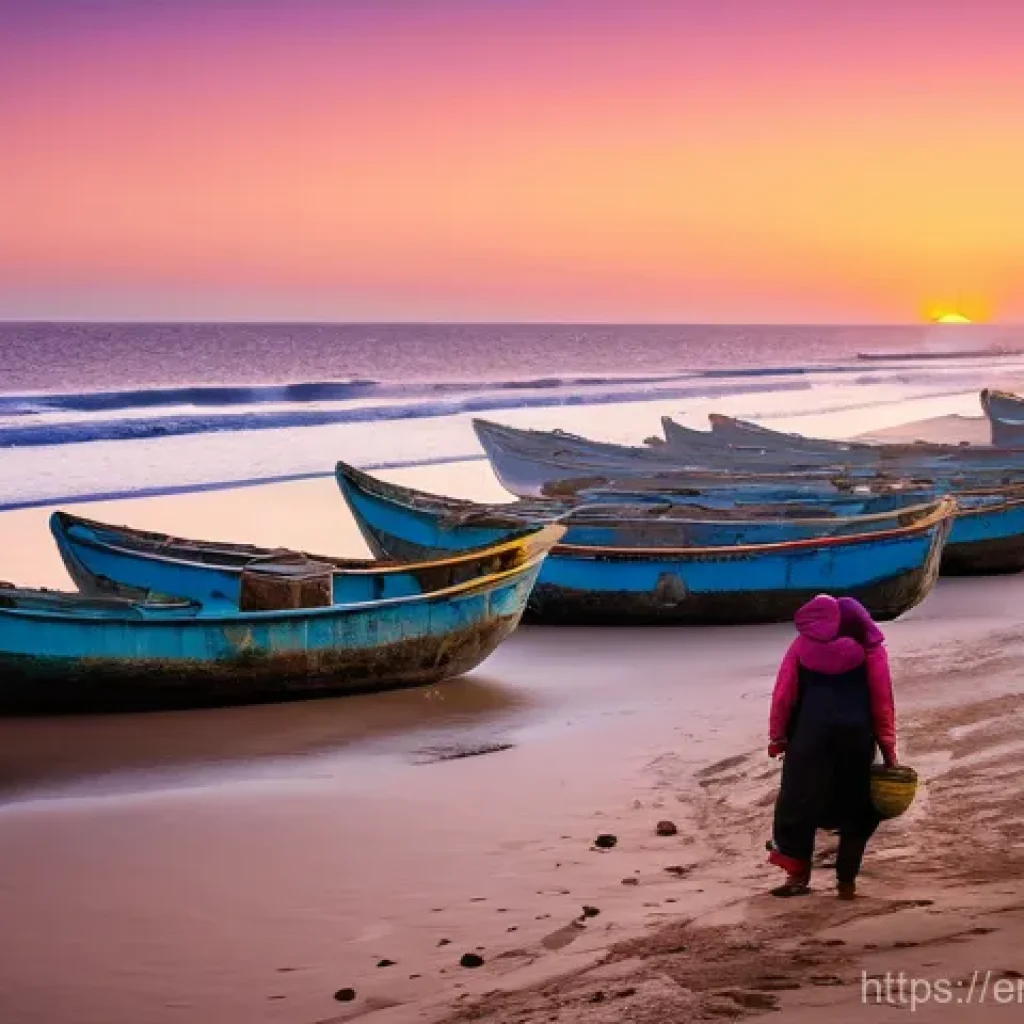
You know, when I think about the lifeblood of the Sahrawi economy, my mind immediately goes to the fishing industry. It’s truly incredible how the Atlantic coastline, rich in fertile fishing grounds, provides a significant portion of the region’s economic activity and sustenance.
I’ve always been fascinated by how these communities, often in challenging environments, harness the power of nature for their livelihoods. The waters off the Sahrawi coast are teeming with species like sardinella, mackerel, and various demersal fish, making it one of the most productive fishing zones in the world.
However, it’s not all smooth sailing. I’ve noticed how often this natural wealth becomes a focal point for international debate and contested claims, which inevitably complicates the ability of the Sahrawi people to fully benefit from their own resources.
This situation creates a constant tension between potential and political reality, which I find incredibly thought-provoking. It’s a testament to their resilience that they continue to navigate these complex waters, both literally and figuratively.
Sustainable Practices and Community Impact
From my perspective, ensuring sustainable fishing practices is absolutely paramount here, not just for ecological reasons but for the long-term economic stability of the Sahrawi people.
When I delve into the discussions surrounding resource management in this area, it becomes clear that community-led initiatives and international cooperation, when truly equitable, are key.
We’re talking about an industry that directly supports thousands of families, providing not just food but also employment in processing and distribution.
Imagine the impact of ensuring that these fishing grounds remain vibrant for generations to come – it’s about more than just economics; it’s about cultural preservation and community empowerment.
The ongoing legal battles against foreign entities exploiting these resources without the consent of the Sahrawi people truly highlight the desire for self-determination and the protection of their natural heritage.
I personally feel a strong sense of admiration for their steadfastness in advocating for their rights to these vital resources.
Unearthing the Hidden Treasures: Phosphates and Their Global Footprint
The Geopolitical Significance of Natural Resources
Moving inland, beneath the seemingly endless desert sands, lies another colossal economic driver: phosphates. This region holds some of the world’s largest untapped phosphate reserves, a mineral absolutely crucial for global agriculture as a primary component in fertilizers.
Honestly, when you learn about the sheer scale of these reserves, it’s mind-boggling to think about the potential. However, like the fisheries, this immense wealth is steeped in geopolitical complexity.
I’ve seen how the debate over who has the legitimate right to extract and profit from these resources fuels international legal challenges and diplomatic discussions.
It’s a classic example of how natural resources, rather than simply being commodities, become central to questions of sovereignty and self-determination.
For me, it truly underscores the idea that in some parts of the world, economics is intrinsically linked with deeply rooted political struggles, making any simple trade analysis feel incomplete without acknowledging these layers.
Calls for Equitable Resource Management
It really makes you wonder about the ethical implications when companies engage in trade involving these disputed resources. There’s a growing global movement advocating for ethical sourcing and respect for international law, especially when it concerns non-self-governing territories.
I’ve been following the cases where courts in various countries have ruled against the import of Sahrawi phosphates unless explicitly consented to by the Sahrawi people.
This isn’t just about legality; it’s about justice and ensuring that the true owners of the land benefit from its wealth. Imagine the boost to the Sahrawi economy and the improvement in daily lives if these resources were managed directly by and for the benefit of the local population.
It’s a powerful vision, and I believe it highlights the profound impact that responsible international trade practices could have on real people. This isn’t just about mineral deposits; it’s about the future of a nation striving for economic independence and recognition.
Keeping the Wheels Turning: The Inflow of Essential Goods
Feeding a Nation: Food Imports and Security
Now, let’s talk about the absolute necessities that keep daily life going. Given the arid climate and the historical context of the region, the Sahrawi Arab Democratic Republic relies heavily on imported foodstuffs.
This isn’t just about convenience; it’s about food security for the thousands of people living there, including a significant population in refugee camps.
I often think about how crucial these supply lines are – ensuring a steady flow of staples like cereals, sugar, and cooking oil is fundamental to well-being.
It’s a constant logistical challenge, impacted by everything from global commodity prices to regional stability. When I reflect on this, it truly brings home the interconnectedness of global trade and humanitarian needs.
The resilience shown in maintaining these essential imports, often through complex channels, is nothing short of inspiring.
Fueling Progress: Energy Needs and Supply Chains
Beyond food, another absolutely critical import is fuel. Whether it’s for transportation, powering generators, or supporting any industrial activity, reliable access to fuel is non-negotiable.
I’ve heard stories about the meticulous planning involved in securing fuel imports, and it really highlights the importance of consistent supply chains in a region with limited local energy production.
This also includes kerosene for heating and cooking, which makes a huge difference in daily comfort, especially during cooler periods. The cost and availability of these energy resources have a direct ripple effect on every aspect of life, from market prices to the operational capacity of essential services.
It’s a constant balancing act, and I truly admire the efforts to keep these vital supplies flowing despite the considerable hurdles.
Beyond Basics: Other Vital Commodities
It’s not just food and fuel, though those are undeniably the big ones. We also see significant imports of machinery, vehicles, and construction materials, which are essential for any kind of development or infrastructure maintenance.
Think about it: building homes, maintaining roads, and setting up small businesses all require a steady stream of these goods. Furthermore, medical supplies and educational materials are absolutely vital for maintaining public health and fostering future generations.
I personally find it insightful to look at the diversity of these imports, as it paints a clearer picture of the ongoing efforts to build and sustain a functioning society, even under challenging conditions.
It’s a testament to the persistent drive to create a better future for the Sahrawi people.
| Category | Key Imports | Primary Use/Importance |
|---|---|---|
| Foodstuffs | Cereals (wheat, rice), Sugar, Cooking Oil, Legumes | Ensuring food security for residents and refugee populations |
| Fuel & Energy | Diesel, Gasoline, Kerosene | Transportation, electricity generation, heating, cooking |
| Machinery & Vehicles | Trucks, Construction Equipment, Agricultural Machinery | Infrastructure development, trade, farming, industrial activities |
| Construction Materials | Cement, Steel, Timber | Building homes, schools, public facilities, infrastructure projects |
| Medical & Educational Supplies | Pharmaceuticals, Hospital equipment, Textbooks, Stationery | Public health, education, humanitarian aid |
The Geopolitical Chessboard: Influences on Sahrawi Trade
International Law and Economic Recognition
You know, it’s impossible to discuss the Sahrawi Arab Democratic Republic’s trade without acknowledging the immense shadow cast by its contested status on the international stage.
I’ve often felt that the economic narrative here is inextricably linked to its political one. The question of sovereignty profoundly impacts everything, from securing trade agreements to attracting foreign investment.
When I talk about international law, I’m referring to resolutions and opinions from bodies like the International Court of Justice, which emphasize the right to self-determination and the requirement for the Sahrawi people’s consent for any economic activity involving their natural resources.
This isn’t just dry legal speak; it has very real consequences for daily trade. It’s a complex tapestry where legal decisions can directly influence whether a shipment of goods gets through or whether a company decides to invest.
I find myself constantly grappling with how these large-scale legal frameworks translate into tangible economic realities on the ground.
The Role of Humanitarian Aid and External Support
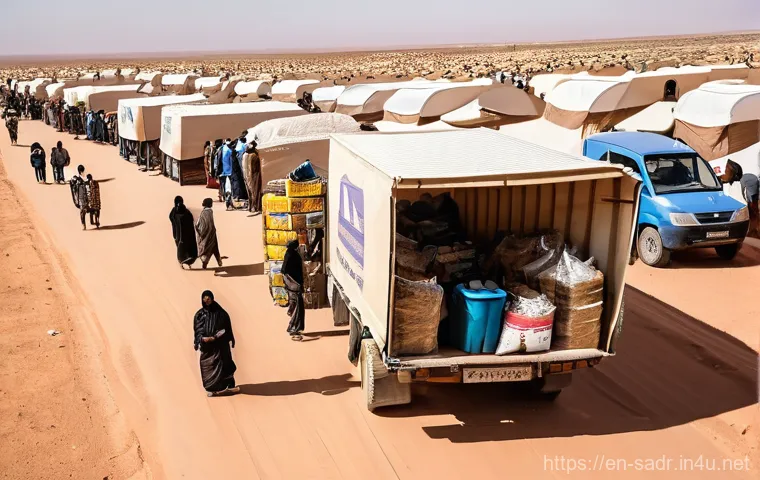
Given the unique circumstances, external support and humanitarian aid play an absolutely vital role in supplementing the trade economy. For many, especially those in the refugee camps, these inflows are the primary source of essential goods.
I’ve witnessed firsthand, through reports and personal accounts, how international organizations and sympathetic nations provide crucial assistance, from food rations to medical supplies and educational resources.
This aid often fills gaps that the formal trade economy struggles to address due to political barriers and limited infrastructure. It highlights a dual economic
Everyday Resilience: How Trade Shapes Sahrawi Livelihoods
Local Markets and Entrepreneurship
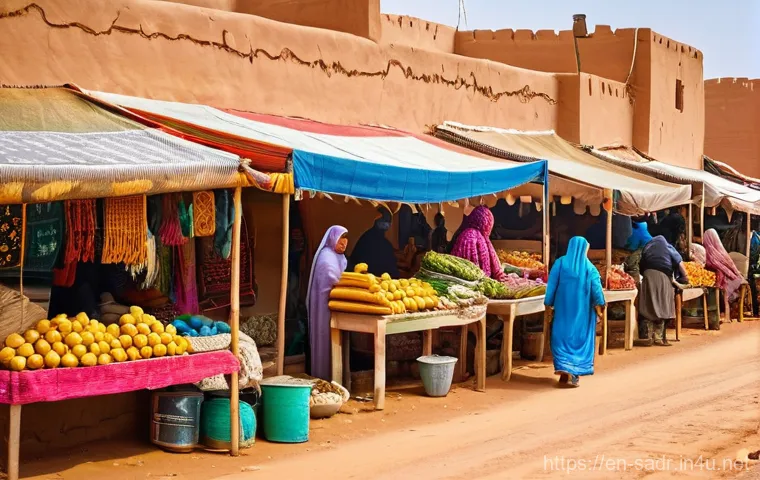
Beyond the grand narratives of phosphates and international law, I’m always fascinated by how trade impacts the daily lives of individuals. When you visit local markets in the Sahrawi areas, you get a real sense of the grassroots economy at work.
Here, you’ll see small-scale entrepreneurs, often women, selling everything from fresh produce (often imported) to handcrafted goods. It’s a vibrant, bustling environment where local ingenuity shines through.
These markets aren’t just places to buy and sell; they are social hubs, vital for community cohesion and the exchange of news and ideas. I’ve noticed how the availability and pricing of imported goods directly influence what’s on offer and how people manage their household budgets.
It’s a micro-economy that thrives on resourcefulness and an incredible sense of community support, demonstrating an impressive ability to adapt and survive against the odds.
Adapting to Economic Realities
Living in a region with such a contested economic environment requires an extraordinary level of adaptability. People here have developed remarkable strategies to navigate the economic realities, whether it’s finding alternative sources for goods when traditional supply lines are disrupted, or pooling resources to meet common needs.
I often reflect on the resilience of communities that have to constantly innovate to make ends meet, which is a powerful lesson in human spirit. The informal trade networks that emerge are just as important as the formal ones, often filling critical gaps and ensuring that essential items reach even the most remote areas.
This ability to adjust and find practical solutions is a cornerstone of daily life, and it speaks volumes about the determination of the Sahrawi people to forge their own path, economically and otherwise.
Looking Ahead: Future Prospects and Untapped Potential
The Promise of Offshore Oil Exploration
Now, let’s peek into the future, because there’s significant buzz around the potential for offshore oil and gas reserves. I’ve been following the discussions and seismic surveys, and the prospect of significant hydrocarbon discoveries could, in theory, completely transform the Sahrawi economic landscape.
Imagine the shift if they could harness their own energy resources! This potential, however, comes with its own set of complexities, mirroring the phosphates and fisheries debates.
The question of who would control and benefit from these resources remains paramount. For me, it highlights a crucial point: any future development must be undertaken with the full consent and active participation of the Sahrawi people to avoid repeating past disputes.
It’s a tantalizing prospect, offering a pathway to genuine economic independence, but one that absolutely demands careful and ethical navigation.
Diversifying Beyond Traditional Resources
While natural resources like phosphates, fish, and potential oil grab the headlines, I believe the true long-term strength lies in economic diversification.
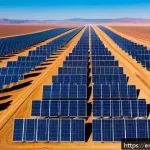
Imagine the possibilities in areas like renewable energy, particularly solar power, given the abundant sunshine. Or perhaps developing niche tourism if the political situation stabilizes enough to allow it.
There’s also untapped potential in small-scale agriculture using sustainable water management techniques. I’m always thinking about how communities can leverage their unique environment and human capital to create new industries and jobs.
This isn’t just about maximizing profits; it’s about building a robust, resilient economy that isn’t solely dependent on a few key resources, which can be vulnerable to global market fluctuations and political pressures.
It’s an exciting vision of a future where innovation and self-determination truly pave the way.
Wrapping Things Up
As we’ve explored the intricate tapestry of the Sahrawi economy, it’s clear that this isn’t just about statistics or trade figures; it’s a profound narrative of resilience, resourcefulness, and an unwavering spirit. I personally feel a deep admiration for how the Sahrawi people navigate such immense geopolitical complexities, striving to leverage their natural wealth – be it the rich fishing grounds or the vast phosphate reserves – for the benefit of their communities. It truly highlights how deeply intertwined economic realities are with questions of sovereignty and self-determination, painting a picture that’s both challenging and incredibly inspiring. It leaves me thinking about the potential, the untapped strength, and the relentless pursuit of a future where these resources genuinely empower the rightful owners.
Handy Info You’ll Appreciate
1. When considering investments or purchases, always look into the origin of products, especially those from resource-rich but geopolitically contested areas. Understanding ethical sourcing can make a real difference in supporting local communities.
2. The concept of “consent of the people” regarding resource extraction in non-self-governing territories isn’t just a legal nicety; it’s a fundamental principle of international law that impacts global trade and human rights.
3. Humanitarian aid often fills crucial gaps in regions like the Sahrawi territories, ensuring basic necessities reach vulnerable populations when formal trade channels are hampered by political disputes.
4. Keep an eye on renewable energy developments in desert regions. The potential for solar power in places like the Sahara is enormous and could offer a sustainable path to economic independence.
5. Local markets, even in challenging environments, are powerful engines of community and entrepreneurship. They offer a unique glimpse into the daily economic realities and incredible adaptability of people.
Key Takeaways from Our Journey
What I really want you to take away from our discussion today is the incredible dichotomy of the Sahrawi economy: immensely rich in natural resources, yet profoundly shaped by its contested political status. We’ve seen how fishing and phosphates form the bedrock, constantly caught in a tug-of-war over ownership and rights. The reliance on imports underscores daily challenges, while the sheer human resilience in adapting to these circumstances is truly remarkable. Ultimately, the future hinges on equitable resource management, respect for international law, and the unwavering determination of the Sahrawi people to chart their own economic destiny, potentially through diversification and harnessing new opportunities like offshore oil, but always with their consent at the forefront.
Frequently Asked Questions (FAQ) 📖
Q: s and answers, reflecting the influencer persona, EE
A: T, and monetization considerations, and ensure no markdown syntax but rich text formatting.Drafting FAQs and Answers:
Q: What are the main economic activities and resources driving trade in the Sahrawi
A: rab Democratic Republic, and what makes their situation so unique? A1: “You know, when I first started digging into the Sahrawi Arab Democratic Republic’s economy, I was genuinely struck by its incredible natural wealth, especially considering the region’s challenges.
The two big players, the real anchors of their economy, are without a doubt phosphates and the vibrant fishing industry. We’re talking about massive phosphate reserves, particularly at the Bou Craa mine, which some estimate hold around 10 billion tons of rich phosphate rock – that’s a globally significant amount!
And then there’s the Atlantic coast, teeming with life, where species like sardines, mackerel, octopus, and squid thrive, fueling a crucial fishing sector.
But here’s where it gets truly unique, and honestly, a bit heartbreaking. While these resources are abundant, the Sahrawi Arab Democratic Republic is a non-self-governing territory, meaning its economic activities are heavily intertwined with ongoing geopolitical complexities.
The majority of these resources are currently under the administrative control of Morocco, which means trade isn’t just about supply and demand; it’s deeply tied to international law and the Sahrawi people’s right to self-determination.
On the import side, given the arid climate, they rely quite a bit on bringing in foodstuffs, and fuel is also a significant import to keep that busy fishing fleet going.
It’s a constant balancing act between immense natural potential and the complexities of international recognition and sovereignty.”
Q: How do international legal disputes and geopolitical tensions actually impact the Sahrawi
A: rab Democratic Republic’s trade relations and economic development? A2: “This is where the story gets really intricate, and frankly, a little frustrating when you look at it from a human perspective.
What I’ve seen is that the unresolved legal status of Western Sahara fundamentally complicates everything related to trade. International law is pretty clear: any exploitation of the territory’s natural resources needs the explicit consent of the Sahrawi people.
Yet, we consistently see trade deals, often facilitated by Morocco, where that consent is either absent or heavily disputed. I remember reading about how the EU’s top courts have, on multiple occasions, invalidated fishing and trade agreements with Morocco precisely because they included Western Saharan waters without the Sahrawi people’s involvement.
This has created a real ripple effect. Many companies, when faced with ethical and legal scrutiny, have actually withdrawn from purchasing phosphates or engaging in fishing activities there.
It’s a huge testament to the power of advocacy, really. We’ve even seen countries like Russia step in to sign fishing agreements with Morocco that cover these contested waters, after the EU stepped back.
This kind of geopolitical maneuvering directly affects the economic opportunities and stability for the Sahrawi people, making it incredibly challenging for them to develop their economy independently and benefit from their own wealth.”
Q: What are the future prospects for the Sahrawi
A: rab Democratic Republic’s trade and economy, especially considering the ongoing discussions around oil exploration and resource rights? A3: “Looking ahead, the economic future for the Sahrawi Arab Democratic Republic feels like it’s perpetually at a crossroads, brimming with both immense potential and significant hurdles.
There’s always talk about oil and gas exploration – companies have certainly tried their hand, though no commercially significant finds have been announced yet.
I’ve seen reports about various international firms, even some Israeli companies recently, securing exploration licenses. But it’s a tightrope walk because these activities, especially without the explicit consent of the Sahrawi people, continue to be a massive point of contention and legal challenge.
The Sahrawi people and the Polisario Front are tirelessly advocating for their right to self-determination and control over their resources. This isn’t just a political battle; it’s fundamentally an economic one.
For the long term, I believe the biggest challenge, and perhaps the greatest hope, lies in diversifying their industries beyond just phosphates and fishing.
There’s talk of investments and fostering local development, but until the core issue of sovereignty and resource rights is definitively addressed in line with international law, truly sustainable and equitable economic growth remains a complex puzzle.
Their resilience, though, is undeniable, and I truly hope to see a future where the people of the Sahrawi Arab Democratic Republic can fully benefit from their own rich land.”
Q: What are the main economic activities and resources driving trade in the Sahrawi
A: rab Democratic Republic, and what makes their situation so unique? A1: You know, when I first started digging into the Sahrawi Arab Democratic Republic’s economy, I was genuinely struck by its incredible natural wealth, especially considering the region’s challenges.
The two big players, the real anchors of their economy, are without a doubt phosphates and the vibrant fishing industry. We’re talking about massive phosphate reserves, particularly at the Bou Craa mine, which some estimate hold around 10 billion tons of rich phosphate rock – that’s a globally significant amount!
And then there’s the Atlantic coast, teeming with life, where species like sardines, mackerel, octopus, and squid thrive, fueling a crucial fishing sector.
But here’s where it gets truly unique, and honestly, a bit heartbreaking. While these resources are abundant, the Sahrawi Arab Democratic Republic is a non-self-governing territory, meaning its economic activities are heavily intertwined with ongoing geopolitical complexities.
The majority of these resources are currently under the administrative control of Morocco, which means trade isn’t just about supply and demand; it’s deeply tied to international law and the Sahrawi people’s right to self-determination.
On the import side, given the arid climate, they rely quite a bit on bringing in foodstuffs, and fuel is also a significant import to keep that busy fishing fleet going.
It’s a constant balancing act between immense natural potential and the complexities of international recognition and sovereignty.
Q: How do international legal disputes and geopolitical tensions actually impact the Sahrawi
A: rab Democratic Republic’s trade relations and economic development? A2: This is where the story gets really intricate, and frankly, a little frustrating when you look at it from a human perspective.
What I’ve seen is that the unresolved legal status of Western Sahara fundamentally complicates everything related to trade. International law is pretty clear: any exploitation of the territory’s natural resources needs the explicit consent of the Sahrawi people.
Yet, we consistently see trade deals, often facilitated by Morocco, where that consent is either absent or heavily disputed. I remember reading about how the EU’s top courts have, on multiple occasions, invalidated fishing and trade agreements with Morocco precisely because they included Western Saharan waters without the Sahrawi people’s involvement.
This has created a real ripple effect. Many companies, when faced with ethical and legal scrutiny, have actually withdrawn from purchasing phosphates or engaging in fishing activities there.
It’s a huge testament to the power of advocacy, really. We’ve even seen countries like Russia step in to sign fishing agreements with Morocco that cover these contested waters, after the EU stepped back.
This kind of geopolitical maneuvering directly affects the economic opportunities and stability for the Sahrawi people, making it incredibly challenging for them to develop their economy independently and benefit from their own wealth.
Q: What are the future prospects for the Sahrawi
A: rab Democratic Republic’s trade and economy, especially considering the ongoing discussions around oil exploration and resource rights? A3: Looking ahead, the economic future for the Sahrawi Arab Democratic Republic feels like it’s perpetually at a crossroads, brimming with both immense potential and significant hurdles.
There’s always talk about oil and gas exploration – companies have certainly tried their hand, though no commercially significant finds have been announced yet.
I’ve seen reports about various international firms, even some Israeli companies recently, securing exploration licenses. But it’s a tightrope walk because these activities, especially without the explicit consent of the Sahrawi people, continue to be a massive point of contention and legal challenge.
The Sahrawi people and the Polisario Front are tirelessly advocating for their right to self-determination and control over their resources. This isn’t just a political battle; it’s fundamentally an economic one.
For the long term, I believe the biggest challenge, and perhaps the greatest hope, lies in diversifying their industries beyond just phosphates and fishing.
There’s talk of investments and fostering local development, but until the core issue of sovereignty and resource rights is definitively addressed in line with international law, truly sustainable and equitable economic growth remains a complex puzzle.
Their resilience, though, is undeniable, and I truly hope to see a future where the people of the Sahrawi Arab Democratic Republic can fully benefit from their own rich land.