Learn about major public holidays and commemorations associated with the Sahrawi Arab Democratic Republic, including national observances, Islamic holidays, cultural etiquette, and travel-planning considerations.
Major Sahrawi commemorations are February 27, May 10, June 9, and October 12, alongside the movable Islamic holidays of Eid al-Fitr and Eid al-Adha. The most widely recognized date is February 27, commemorated by Sahrawi institutions as Proclamation Day.
For travelers and researchers, the key issue is not simply knowing the date: observance, access, transport, and business hours can vary by location and administration.
A flexible cultural itinerary, carefully selected local guide, and suitable travel insurance can make planning more practical. These dates are meaningful national and community observances rather than a single, universally uniform public-holiday calendar.
Confirm current arrangements before making non-refundable travel bookings.
At a Glance
- February 27 is widely commemorated as Proclamation Day, marking the 1976 proclamation of the Sahrawi Arab Democratic Republic.
- May 10, June 9, and October 12 are important dates in Sahrawi political and national commemorative calendars.
- Eid al-Fitr and Eid al-Adha are major religious occasions, but their Gregorian dates change each year.
| Date or Timing | Occasion | Fixed or Movable | Typical Significance | Visitor Planning Note |
|---|---|---|---|---|
| February 27 | Proclamation Day | Fixed | Commemorates the 1976 proclamation of the SADR | Confirm event access and local schedules before travel. |
| May 10 | Polisario Front anniversary | Fixed | Associated with the founding of the Polisario Front in 1973 | Political and national narratives may shape the format of observance. |
| June 9 | Martyrs’ Day | Fixed | Linked to the 1976 death of El Ouali Mustapha Sayed | Use respectful behavior and ask before taking photographs. |
| October 12 | National Unity Day | Fixed | Commonly marked in Sahrawi commemorative calendars | Do not assume the same program applies in every community. |
| Annual lunar calendar | Eid al-Fitr and Eid al-Adha | Movable | Major Muslim religious celebrations | Expect family-focused schedules and possible changes to normal services. |
Key Dates at a Glance: The Main Sahrawi Commemorations
Fixed national remembrance dates
The best-known fixed date is February 27, widely commemorated by Sahrawi institutions as Proclamation Day. May 10 is associated with the 1973 founding of the Polisario Front. June 9 is observed as Martyrs’ Day, while October 12 is commonly marked as National Unity Day.
These dates are important reference points for cultural research and itinerary planning. However, they should not automatically be treated as statutory non-working holidays in every setting. The complete current official holiday calendar and exact closure arrangements require local confirmation.
Movable Islamic holidays and why their dates change
Eid al-Fitr and Eid al-Adha are important to Sahrawi communities. Their dates move through the Gregorian calendar because they follow the Islamic lunar calendar. This matters for travelers because flights, local transport, family visits, and meeting availability may be affected around Eid.
For a cultural visit, confirm the applicable dates before booking transport or a guided tour. A calendar entry alone does not show whether a venue, office, camp-based activity, or community gathering will be open to visitors.
Why local observance may differ across Western Sahara and Sahrawi communities
Western Sahara’s political status is disputed. As a result, holiday observance may differ by location, administration, and community. Refugee camps, diaspora communities, and Moroccan-administered areas may not observe the same dates in the same manner.
That variation is not a minor planning detail. It can affect public gatherings, transport availability, business hours, and the language used to describe an event. Treat each itinerary as location-specific rather than relying on a single regional holiday list.
What the Major Observances Represent
Proclamation Day on February 27
February 27 marks the 1976 proclamation of the Sahrawi Arab Democratic Republic by the Polisario Front. It is widely recognized in Sahrawi institutional commemorations and is often the first date mentioned in a guide to Sahrawi national observances.
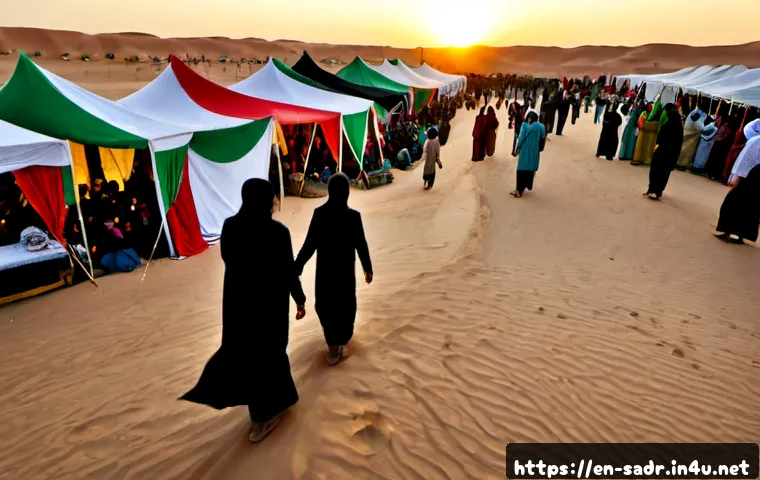
For visitors, the practical point is simple: a commemorative program may be meaningful to the host community, but public access is not guaranteed. Ask a local contact or guide whether any gathering is open, whether registration is needed, and whether photography is appropriate.
Polisario Front anniversary on May 10
May 10 is associated with the founding of the Polisario Front in 1973. It has a place in Sahrawi political and national narratives. Because the date has political significance, visitors should avoid assuming that every event functions as a general tourist activity.
A responsible cultural tour operator should explain the purpose of a visit clearly, avoid sensational framing, and set realistic expectations about access. If an itinerary includes a commemoration, ask what the guide’s role is, what conduct is expected, and whether plans can change at short notice.
Martyrs’ Day on June 9 and National Unity Day on October 12
June 9 is observed by Sahrawis as Martyrs’ Day and is linked to the death of Polisario Front leader El Ouali Mustapha Sayed in 1976. October 12 is commonly marked as National Unity Day in Sahrawi commemorative calendars. Both dates may involve remembrance, speeches, cultural programming, or community-based activities, but exact schedules should be verified locally.
Visitors should keep the focus on respect. A memorial observance is not the same as a festival. Listen to local guidance, dress appropriately for the setting, and do not interrupt ceremonies for photographs or interviews.
Holiday Calendar Comparison for Visitors and Researchers
Fixed dates versus lunar-calendar dates
Fixed commemorations are easier to place on a long-term research calendar. February 27, May 10, June 9, and October 12 recur on the same Gregorian dates. Eid holidays require an updated annual check because their Gregorian timing changes.
This distinction helps when comparing cultural tour options or planning fieldwork. A researcher may prefer a fixed commemoration for advance scheduling, while a visitor interested in religious culture should allow more flexibility around Eid.
Expected impacts on gatherings, transport, offices, and cultural venues
It is reasonable to expect that important observances can influence normal routines, but the precise impact is not uniform. Offices, transport arrangements, gatherings, and cultural venues may operate differently depending on the place and the organizer.
Before confirming an itinerary, ask specific questions: Will transport run as planned? Is the event open to visitors? Is there a confirmed meeting point? Are alternative activities available if access changes? Clear answers are more useful than a generic promise that a holiday program is available.
When to confirm local schedules before booking
Confirm schedules before paying for non-refundable flights, accommodation, transport, or guided cultural experiences. Reconfirm closer to departure, especially for events tied to public access, religious observance, or local administrative arrangements.

A good booking decision includes flexible cancellation terms, a written itinerary, and a direct explanation of what happens if a planned visit cannot proceed. For travel insurance, review whether the policy matches the destinations, transport methods, and cancellation conditions relevant to your trip.
Cultural Etiquette and Common Planning Mistakes
Respectful behavior at commemorations and religious celebrations
At national commemorations, follow the lead of local hosts. Arrive when instructed, avoid disruptive behavior, and recognize that participants may be attending for personal, historical, political, or religious reasons. During Eid, family and community priorities may take precedence over visitor schedules.
Photography, clothing, and permission considerations
Ask before photographing people, ceremonies, homes, or sensitive settings. Permission is especially important during memorial events and religious gatherings. Clothing should be modest and suitable for the community setting. A local guide can explain expectations without turning cultural etiquette into a rigid stereotype.
Avoiding assumptions about political terminology and public access
Do not assume that one term, narrative, or holiday label will be used in every location. Western Sahara’s disputed status means terminology can be sensitive. Use the language preferred by your host or organizer, and avoid presenting a private or limited-access event as a public attraction.
Travel and Event Planning by Situation
Planning for an academic visit or documentary research
Researchers should separate a date’s historical importance from guaranteed access to activities. Build an itinerary with time for schedule changes, identify the purpose of each meeting, and request permission before recording interviews or filming. Written confirmation of access expectations can reduce misunderstandings.
Planning a cultural itinerary with a local guide
A local guide may help interpret community expectations, language, routes, and event etiquette. When comparing cultural tours, look for clear credentials, transparent itinerary details, realistic access claims, and flexible arrangements. Avoid operators that present politically sensitive commemorations as guaranteed entertainment.
Before selecting a guide, ask where the tour takes place, who organizes each visit, what transport is included, and what happens if an event is unavailable. Official guidance and detailed terms should be checked on the relevant provider page before payment.
Planning around Eid travel, closures, and family-focused celebrations
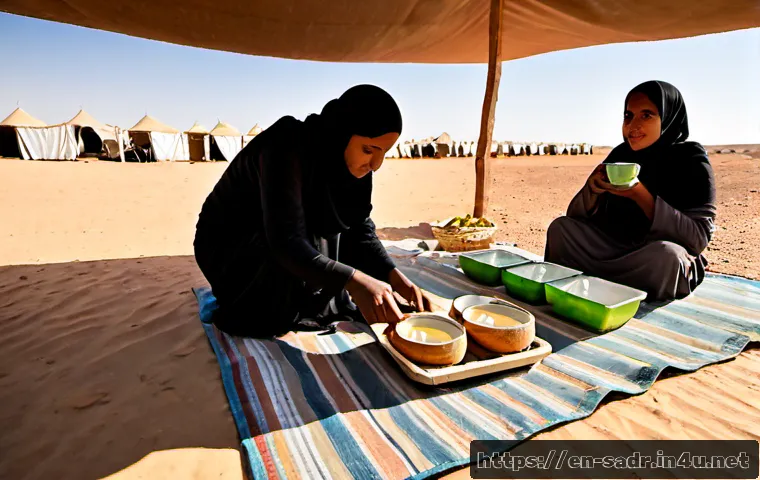
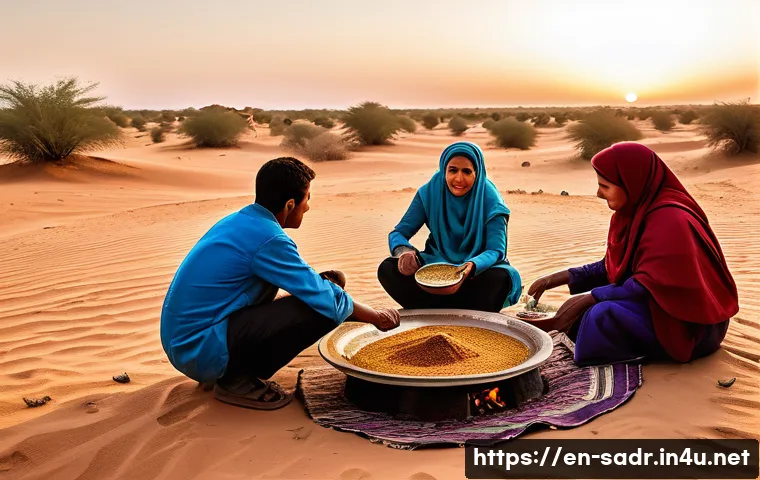
Eid periods may be rewarding for visitors who have an appropriate invitation or community connection, but they are not ideal for demanding a tightly scheduled program. Keep meeting times flexible, confirm services in advance, and respect family-centered celebrations.
If your plan depends on a particular flight, vehicle, or pre-arranged visit, consider whether flexible booking conditions and appropriate travel insurance are more important than a lower initial price.
Selection Criteria and Comparison Summary
Before confirming travel arrangements, check these points:
- Location: Identify the exact community and administrative context rather than relying on a general Western Sahara calendar.
- Event access: Confirm whether a commemoration is public, private, invitation-based, or subject to change.
- Guide quality: Choose guides who explain cultural context, permissions, transport, and itinerary limits clearly.
- Booking flexibility: Review cancellation terms for flights, transport, accommodation, and cultural tours.
- Insurance scope: Read the policy details for destinations, transport, cancellations, and exclusions before purchase.
- Respectful conduct: Plan for modest clothing, permission-based photography, and flexible timing around religious celebrations.
For a cultural tour or travel insurance option, check the provider’s official page for detailed coverage, cancellation conditions, and destination-specific terms.
In Closing
The main Sahrawi commemorative dates are useful anchors for understanding national memory, political history, and community life. February 27 is the best-known date associated with the SADR, while May 10, June 9, and October 12 also hold important commemorative roles. Eid al-Fitr and Eid al-Adha add an essential religious dimension to the calendar. The most reliable travel plan is one that leaves room for local variation and confirms details close to departure.
Useful Information to Keep in Mind
1. Fixed dates are easier to place on a calendar, but their event programs still require confirmation.
2. Eid dates change annually in the Gregorian calendar.
3. A commemoration may be observed differently across camps, diaspora communities, and Moroccan-administered areas.
4. Permission and respectful conduct matter more than trying to follow a generic visitor checklist.
Important Notes
This guide distinguishes widely noted Sahrawi commemorations from a fully verified statutory holiday calendar. It does not establish which dates are non-working days in every SADR-administered setting or elsewhere in Western Sahara. Exact schedules, security arrangements, closures, transport availability, and public access must be checked with relevant local organizers and travel providers before booking.
Frequently Asked Questions
Q1. What is the best-known national commemoration associated with the Sahrawi Arab Democratic Republic?
A1. February 27 is widely commemorated by Sahrawi institutions as Proclamation Day, marking the 1976 proclamation of the Sahrawi Arab Democratic Republic.
Q2. Are Eid al-Fitr and Eid al-Adha celebrated by Sahrawi communities?
A2. Yes. Eid al-Fitr and Eid al-Adha are important Muslim religious holidays for Sahrawi communities. Their Gregorian dates change annually because they follow the Islamic lunar calendar.
Q3. Is it safe and practical to plan a cultural visit around Sahrawi commemorative events?
A3. Practicality depends on the exact location, event access, transport, and current local arrangements. Plan flexibly, verify schedules with local contacts, select guides carefully, and review travel insurance and cancellation terms before making commitments.