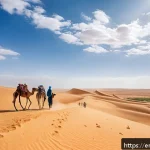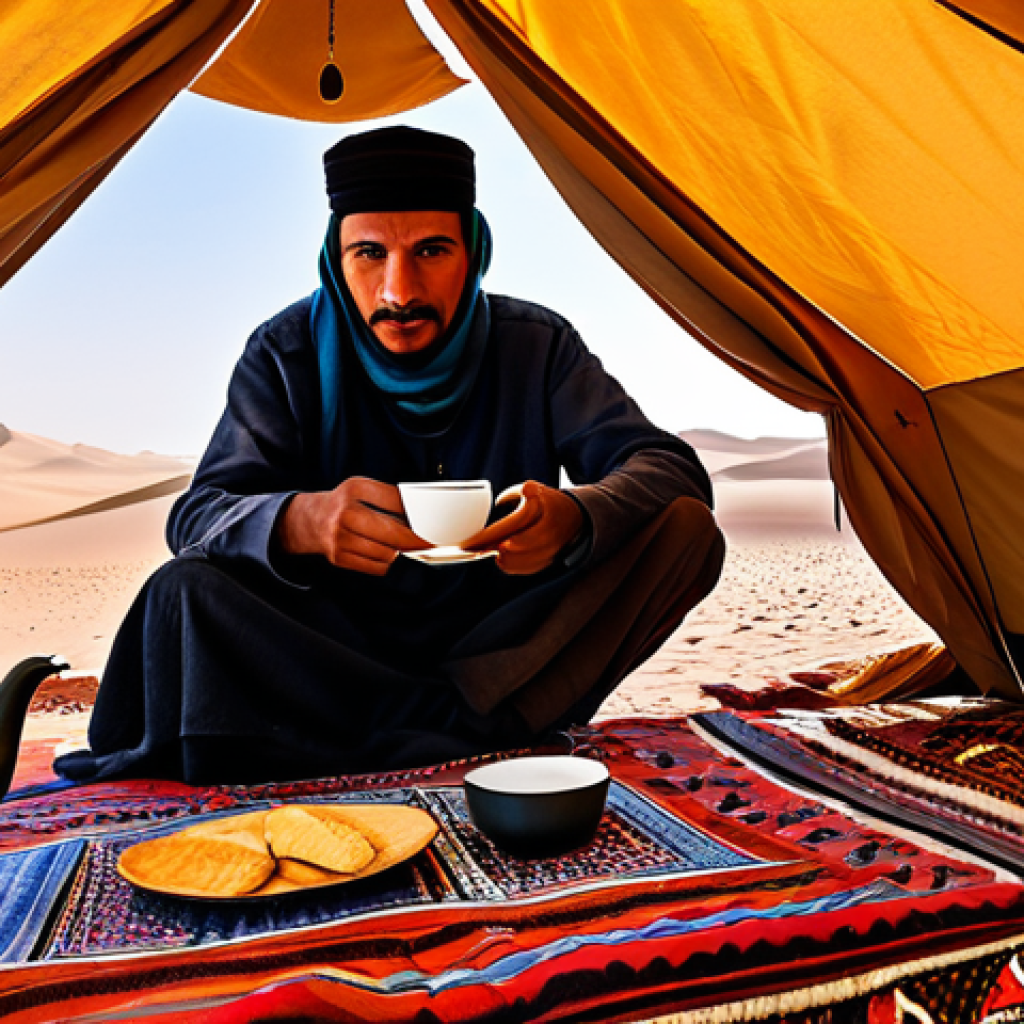
Venturing into the Sahara Arab Democratic Republic is an experience unlike any other, a journey into a land shrouded in political complexities and breathtaking desert landscapes.
As someone who’s always been drawn to the less-traveled path, I found myself both intrigued and cautious when planning my trip. It’s essential to understand that this region presents unique challenges, from navigating disputed territories to respecting the local customs of the Sahrawi people.
Safety and awareness should be your top priorities, ensuring you’re well-informed and prepared for whatever may come your way. Getting the most recent travel advisories from your home country’s government is also a really good idea, as things on the ground can change pretty quickly.
Trust me, a little research goes a long way in making your adventure both memorable and safe. Let’s explore this fascinating destination in detail below.
Navigating the Political Landscape and Territorial DisputesThe political situation in the Sahara Arab Democratic Republic is complex, with ongoing disputes over territory and governance.
Before you even think about packing your bags, it’s essential to get your head around the political climate. I’m talking deep-dive research into the current state of affairs.
Understanding who controls which areas, and the potential risks associated with those areas, is absolutely crucial. Don’t rely on just one source for your information either; cross-reference news outlets, government advisories, and travel blogs to get a well-rounded perspective.
Knowing the lay of the land, both politically and geographically, will help you make informed decisions and avoid potentially dangerous situations. It’s also a good idea to register with your embassy or consulate so they know you’re in the area, just in case.
Staying Informed on Current Events
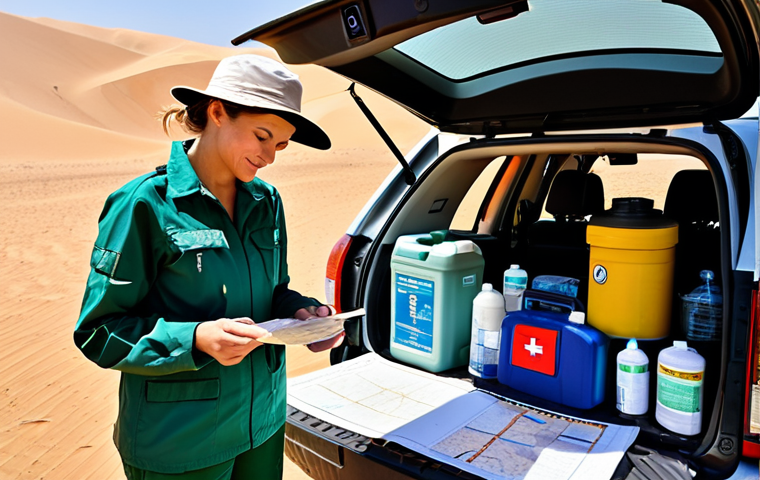
The situation on the ground can change rapidly. Stay updated on any political developments or security alerts by monitoring reliable news sources and government travel advisories.
Subscribe to email updates or follow relevant social media accounts to receive timely notifications. Consider getting a satellite phone or a local SIM card to ensure you can stay connected, even in remote areas.
Understanding Travel Restrictions and Permits
Some areas may require special permits or be subject to travel restrictions. Research and comply with all regulations imposed by the relevant authorities.
Obtain the necessary permits well in advance and carry copies of your documents with you at all times. Be prepared to present them to local officials upon request.
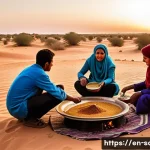
Respecting Sahrawi Culture and CustomsWhen you’re a guest in someone else’s land, it’s only right to show respect for their way of life. The Sahrawi people have a rich culture and history, and understanding their customs is key to having a meaningful and respectful visit.
From the way you dress to the way you interact with locals, every little gesture counts. Take the time to learn a few basic phrases in Hassaniya Arabic, the local dialect.
It shows you’re making an effort to connect and appreciate their culture. Also, be mindful of their traditions and beliefs. For example, avoid photographing people without their permission, and be respectful of religious sites.
Remember, you’re not just a tourist; you’re an ambassador for your own culture, so make a positive impression.
Dressing Appropriately
Dress modestly and respectfully, especially when visiting rural areas or religious sites. Loose-fitting clothing that covers your shoulders and knees is generally a good choice.
Avoid wearing revealing or overly flashy attire that may be considered disrespectful.
Learning Basic Phrases in Hassaniya Arabic
Learning a few basic phrases in Hassaniya Arabic can go a long way in building rapport with locals. Simple greetings like “Salam aleikum” (peace be upon you) and “Shukran” (thank you) can demonstrate your respect for their culture and willingness to connect.
Securing Accommodation and TransportationArranging accommodation and transportation in the Sahara Arab Democratic Republic requires careful planning.
There are limited options available, especially in remote areas. Booking accommodations in advance is highly recommended. This is absolutely vital, especially if you’re travelling during peak season or to more remote areas where options are limited.
Research guesthouses, camps, or hotels that suit your needs and budget. Look for reputable establishments with good reviews and a commitment to safety and security.
Don’t be afraid to ask questions about their security measures and emergency protocols. Also, consider using local transportation services, such as taxis or buses, but be sure to negotiate the price beforehand to avoid overcharging.
Choosing Reputable Accommodations
Look for accommodations with good reviews and a commitment to safety and security. Read online reviews and ask for recommendations from fellow travelers.
Inquire about their security measures, such as secure entrances, surveillance cameras, and trained staff.
Arranging Reliable Transportation
Consider hiring a local driver or guide who is familiar with the region and can provide safe and reliable transportation. Negotiate the price beforehand and ensure the vehicle is in good condition.
Avoid traveling alone, especially in remote areas, and let someone know your itinerary. Dealing with Extreme Weather ConditionsThe Sahara Desert is known for its extreme weather conditions, with scorching heat during the day and freezing temperatures at night.
Being prepared for these conditions is crucial for your health and safety. Hydration is your best friend in the desert. Carry plenty of water with you at all times, and drink regularly, even if you don’t feel thirsty.
Avoid sugary drinks, as they can dehydrate you even more. Dress in lightweight, breathable clothing to protect yourself from the sun, and wear a wide-brimmed hat and sunglasses to shield your face and eyes.
At night, temperatures can plummet, so pack warm layers to stay comfortable. And don’t forget sunscreen with a high SPF to protect your skin from the harsh desert sun.
Staying Hydrated
Drink plenty of water throughout the day to avoid dehydration. Carry a reusable water bottle and refill it whenever possible. Consider bringing electrolyte tablets or powders to replenish essential minerals lost through sweat.
Dressing Appropriately for the Desert Climate
Wear lightweight, breathable clothing to protect yourself from the sun and heat. Choose light colors that reflect sunlight. Pack warm layers for the cold desert nights, including a fleece jacket, hat, and gloves.
Summary Table: Key Considerations for Visiting the Sahara Arab Democratic Republic
| Aspect | Considerations |
|---|---|
| Political Situation | Stay informed on current events, understand travel restrictions and permits |
| Cultural Sensitivity | Dress appropriately, learn basic phrases in Hassaniya Arabic |
| Accommodation | Choose reputable accommodations, book in advance |
| Transportation | Arrange reliable transportation, hire a local driver or guide |
| Weather Conditions | Stay hydrated, dress appropriately for the desert climate |
Managing Health and Medical ConcernsAccess to healthcare in the Sahara Arab Democratic Republic can be limited, especially in remote areas. It’s essential to take proactive measures to protect your health and well-being.
Before you leave, consult with your doctor or a travel health specialist to discuss any necessary vaccinations or medications. Pack a comprehensive first-aid kit with essentials like bandages, antiseptic wipes, pain relievers, and any prescription medications you may need.
Be aware of potential health risks, such as malaria, and take appropriate precautions, such as using mosquito repellent and sleeping under a mosquito net.
Also, be mindful of food and water safety, and avoid consuming anything that may be contaminated. In case of a medical emergency, know where the nearest medical facilities are located and how to access them.
Consulting with a Doctor or Travel Health Specialist
Schedule a visit with your doctor or a travel health specialist well in advance of your trip. Discuss any necessary vaccinations, medications, and health precautions.
Inform them of your travel itinerary and any pre-existing medical conditions.
Packing a Comprehensive First-Aid Kit
Include essential items such as bandages, antiseptic wipes, pain relievers, diarrhea medication, and any prescription medications you may need. Consider adding items like sunscreen, insect repellent, and rehydration salts.
Communicating Effectively and RespectfullyEffective communication is crucial for navigating the Sahara Arab Democratic Republic and building positive relationships with locals.
Language barriers can be a challenge, so it’s helpful to learn a few basic phrases in Hassaniya Arabic. However, nonverbal communication can also be a powerful tool.
Pay attention to body language, gestures, and facial expressions. Be respectful of local customs and traditions, and avoid making assumptions or stereotypes.
When communicating with locals, be patient, polite, and attentive. Listen actively to what they have to say, and show genuine interest in their culture and experiences.
Avoid discussing sensitive topics such as politics or religion, unless you have a good understanding of the local context.
Learning Basic Phrases in Hassaniya Arabic
Even a few basic phrases can go a long way in showing respect and building rapport. Learn greetings like “Salam aleikum” (peace be upon you) and “Ma’a as-salama” (goodbye), as well as phrases like “Shukran” (thank you) and “Afwan” (you’re welcome).
Using Nonverbal Communication Effectively
Pay attention to body language, gestures, and facial expressions. Maintain eye contact when speaking, but avoid staring. Use open and welcoming body language, such as smiling and nodding.
Be aware of cultural differences in nonverbal communication, and adapt your behavior accordingly. Navigating the Sahara Arab Democratic Republic can feel like stepping into another world, but with a bit of planning and respect, it’s an adventure you’ll never forget.
Remember, the key is to be prepared, stay informed, and embrace the unexpected. I’ll always remember the warmth of the Sahrawi people.
Wrapping Up
As you gear up for your journey to the Sahara Arab Democratic Republic, remember that preparation is your best friend. From staying updated on the political landscape to respecting the local culture and navigating the extreme weather, every detail matters. I hope this guide has given you a solid starting point for planning your adventure. Safe travels, and may your journey be filled with unforgettable experiences!
Useful Tips to Know
1. Always carry a physical map and compass as GPS can be unreliable in remote areas.
2. Pack a small, portable water filter or purification tablets to ensure access to safe drinking water.
3. Learn a few basic phrases in French as it’s widely spoken, in addition to Hassaniya Arabic.
4. Consider purchasing travel insurance that covers medical evacuation in case of emergencies.
5. Download offline translation apps and phrasebooks on your smartphone for easy communication.
Key Takeaways
Political Awareness: Stay informed on current events and understand potential travel restrictions.
Cultural Respect: Dress modestly and learn basic local phrases to build rapport.
Safety First: Choose reputable accommodations and arrange reliable transportation.
Weather Preparedness: Stay hydrated and dress appropriately for extreme conditions.
Health Precautions: Consult a doctor and pack a comprehensive first-aid kit.
Frequently Asked Questions (FAQ) 📖
Q: Is it safe to travel to the Sahara
A: rab Democratic Republic? A1: Honestly, safety is a huge concern and should be your number one priority. The region has ongoing political issues, including disputed territory.
Before you even think about booking a flight, check with your government’s travel advisories for the latest updates. Things can change quickly, and it’s better to be overprepared than caught off guard.
Depending on where you’re planning to go, you might want to consider hiring a local guide who knows the area and can help you navigate safely.
Q: What are the essential things to pack when traveling to the Sahara
A: rab Democratic Republic? A2: Okay, so packing for the Sahara is a whole different ballgame. First off, sun protection is key.
Think high SPF sunscreen, a wide-brimmed hat, and sunglasses. The sun is relentless out there! Lightweight, breathable clothing is also a must, and pack layers because the desert can get surprisingly cold at night.
Good walking shoes or boots are essential for navigating the sandy terrain. And don’t forget a reusable water bottle – staying hydrated is crucial in that heat.
A first-aid kit with any necessary medications is also a smart idea, since medical facilities might be limited in some areas.
Q: What cultural customs should I be aware of when visiting the Sahara
A: rab Democratic Republic? A3: Respect for the local Sahrawi people and their traditions is super important. They have a rich culture, and being mindful of their customs shows you’re a thoughtful traveler.
Dress modestly, especially when visiting religious sites or smaller villages. It’s always a good idea to ask for permission before taking photos of people.
And remember that hospitality is a big deal in Sahrawi culture, so if you’re offered tea or food, it’s considered polite to accept, even if you’re not hungry or thirsty.
Learning a few basic Arabic phrases can also go a long way in showing respect and connecting with the locals.
📚 References
Wikipedia Encyclopedia