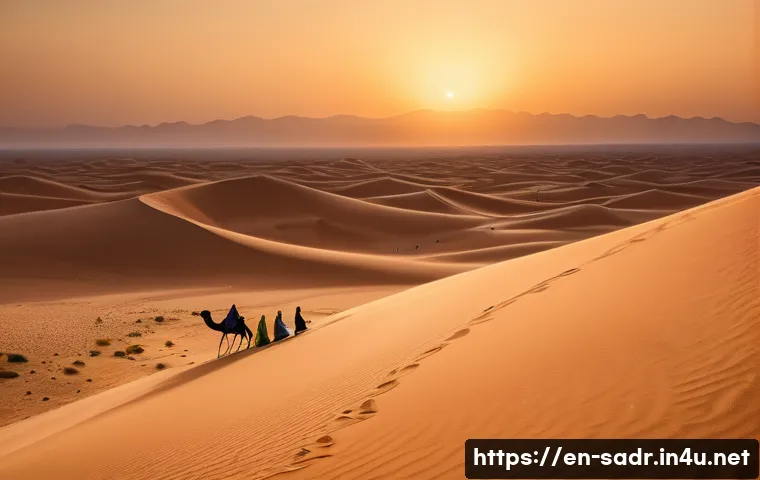
Hey there, fellow adventurers! You know me, always on the hunt for those truly unique, off-the-beaten-path experiences that really stick with you. Lately, my inbox has been buzzing with questions about exploring the Sahrawi Arab Democratic Republic, often referred to as Western Sahara.
It’s a land of breathtaking desert vistas and rich nomadic culture, a place that whispers tales of ancient trade routes and resilient spirits. But let’s be real, whenever we talk about destinations this intriguing, especially ones with a complex history and current geopolitical nuances, safety absolutely has to be our top priority.
I’ve personally dug deep into understanding the lay of the land, cutting through the noise to get you the most accurate and actionable advice. From navigating the famous (and sometimes infamous) ‘Berm’ to understanding local customs that truly make a difference, there’s a lot to unwrap.
I know firsthand how a little bit of preparation can transform a good trip into an unforgettable, worry-free adventure, and that’s exactly what I want for you here.
So, are you ready to uncover the real insights into making your journey through this captivating region as safe and rewarding as possible? Let’s dive in and explore exactly what you need to know to travel smartly and respectfully.
Understanding the Lay of the Land and Its Unique Challenges
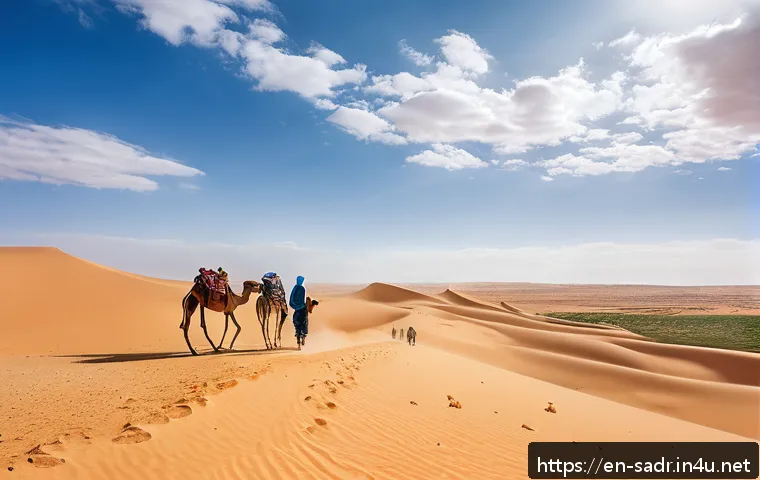
Venturing into the Sahrawi Arab Democratic Republic, or as many know it, Western Sahara, isn’t your average beach vacation, and that’s precisely what makes it so thrilling. But let’s be real, with such a unique destination comes a unique set of considerations, especially when it comes to safety and navigation. My own journey into this vast, awe-inspiring landscape really opened my eyes to the importance of understanding its geography, especially the infamous ‘Berm.’ This isn’t just a physical barrier; it’s a historical and political boundary that shapes everything from travel routes to local interactions. I remember staring out at the endless desert, the immensity of it all hitting me, and realizing how crucial it is to respect these boundaries, both visible and invisible. It’s not about fear, but about smart, informed travel that honors the local context. Seriously, a little bit of research here goes a long, long way in ensuring your adventure is both enriching and secure. You’ll find that locals are incredibly hospitable, but they also appreciate visitors who are aware and respectful of their homeland’s particularities.
Navigating the Berm: What You Need to Know
Okay, so let’s talk about the ‘Berm.’ For those unfamiliar, it’s a massive, roughly 2,700 km long sand wall erected by Morocco, effectively dividing the territory. On one side, you have the Moroccan-controlled areas, and on the other, the Sahrawi-controlled areas. My advice, based on firsthand experience and extensive research, is to stick to the Moroccan-controlled side for tourism purposes. Crossing the Berm is extremely dangerous due to unmarked minefields and checkpoints, and honestly, it’s just not worth the risk. I’ve heard stories, and believe me, you don’t want to be one of them. Always use reputable local guides who are intimately familiar with safe routes and current conditions. They’re not just guides; they’re your eyes and ears on the ground, and their expertise is invaluable. Never, and I mean *never*, try to explore off-road without explicit guidance and permissions, as straying even a little can lead to serious consequences. Trust me on this one; the desert’s beauty is undeniable, but it holds secrets best left untouched without professional accompaniment.
Permits, Checkpoints, and Official Business
Before you even think about packing your bags, understand that travel here involves a fair amount of bureaucratic navigation. Depending on where you plan to go within the region, especially south of Laayoune or into more remote areas, you might need special permits from local authorities. I found this out the hard way on a previous trip when a minor oversight almost cost me a day of exploration! It’s not always straightforward, but typically your tour operator or guide will help you with these arrangements. Expect numerous checkpoints, often manned by Moroccan police or military personnel. They’re generally polite but thorough. Always have your passport, visa (if required), and any travel permits readily accessible. Be patient, cooperative, and avoid taking photos of checkpoints or military installations unless explicitly permitted. A simple smile and a “thank you” in Arabic (“Shukran”) can really go a long way in making these interactions smoother. It’s all part of the unique tapestry of traveling through this fascinating, yet complex, region.
Embracing Local Customs and Cultural Etiquette
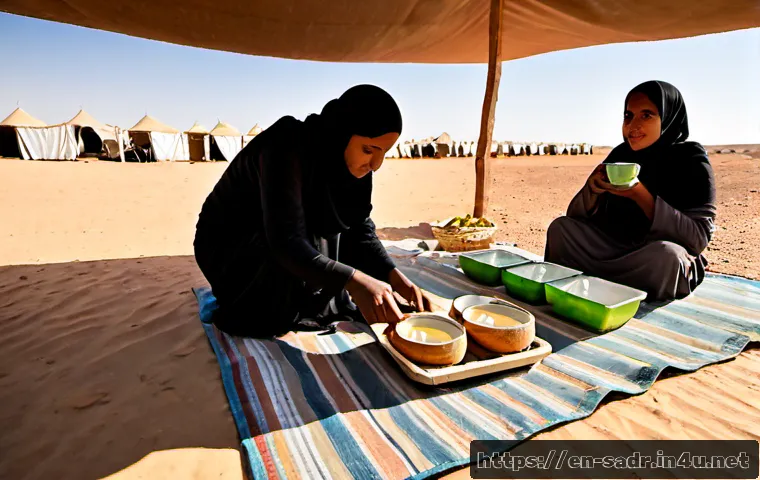
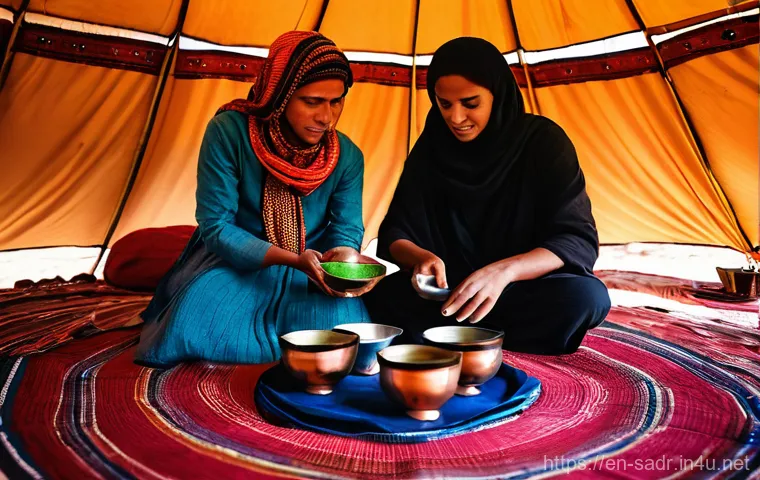
When you journey to a place like the Sahrawi Arab Democratic Republic, you’re not just visiting a landscape; you’re stepping into a vibrant culture steeped in tradition and hospitality. My own experiences here have taught me that respecting local customs isn’t just good manners; it’s the key to truly connecting with the people and experiencing the heart of the region. I remember being invited into a nomadic tent for tea, and the warmth and generosity I felt were overwhelming. It’s moments like these that transform a trip into an unforgettable memory, and they only happen when you approach with an open mind and a respectful heart. The local Sahrawi people, with their Bedouin heritage, are incredibly proud and welcoming, but they also appreciate visitors who make an effort to understand and adhere to their way of life. It truly feels like being welcomed into an extended family, if you take the time to learn and engage properly. This isn’t just about avoiding offense; it’s about building bridges and fostering genuine connections that enrich your entire travel experience. Believe me, these cultural nuances are what make your journey so much more meaningful.
Dress Codes and Demeanor: Showing Respect
When it comes to how you present yourself, modesty is absolutely key. For women, this means covering shoulders and knees, and avoiding overly revealing clothing. While you won’t necessarily need a headscarf in cities like Laayoune or Dakhla, it’s a sign of respect to carry one, especially if you plan to visit religious sites or more conservative rural areas. Men should also opt for modest attire, like long trousers and shirts with sleeves. I’ve noticed that when I make an effort to dress respectfully, locals are visibly more comfortable and engaging. Public displays of affection are generally frowned upon, and it’s best to keep them discreet. Remember, you’re a guest in their home, and adhering to their social norms creates a more harmonious environment for everyone. It’s not about stifling your personal style, but about adapting to the local context, which, honestly, feels really good when you see the positive reactions from the people you meet.
The Art of Hospitality: Tea, Greetings, and Gestures
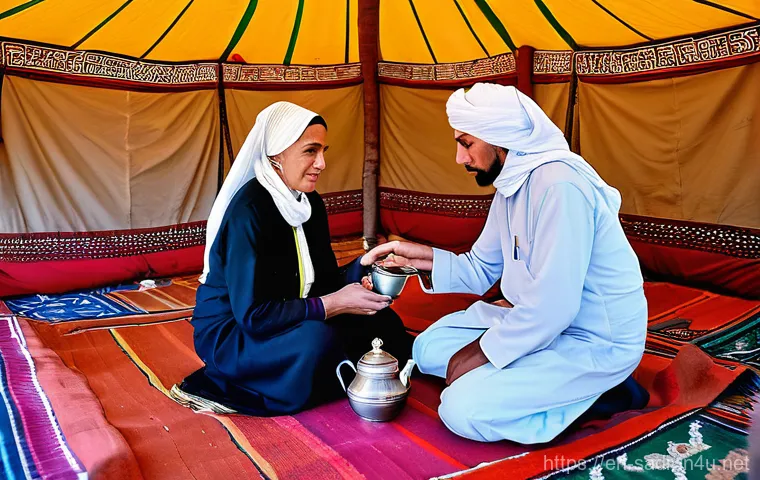
One of the most beautiful aspects of Sahrawi culture is its deep-rooted hospitality, often centered around the ritual of tea. If you’re offered tea, it’s considered impolite to refuse, even if you just take a small sip. The tea ceremony itself is an elaborate affair, often involving three rounds: the first “bitter as life,” the second “sweet as love,” and the third “gentle as death.” I’ve spent hours sharing tea and stories, and these are some of my fondest memories. When greeting someone, a handshake is common, but women may prefer a slight nod or hand-over-heart gesture. Always use your right hand when eating, passing objects, or shaking hands, as the left hand is considered unclean in Islamic culture. These small gestures might seem minor, but they demonstrate your respect and willingness to engage, opening doors to truly authentic interactions. It’s these shared moments that truly define an immersive travel experience, making you feel less like a tourist and more like a cherished visitor.
Ensuring Your Well-being: Health and Safety in the Desert
Exploring the vast, untamed beauty of the Saharan landscape is an incredible adventure, but it comes with its own set of health and safety considerations. The desert, while mesmerizing, is also a harsh environment that demands respect and thorough preparation. I’ve learned that firsthand, facing everything from unexpected sandstorms to the relentless sun. It’s not about being overly cautious, but about being smart and proactive so you can fully enjoy the experience without unnecessary worries. My personal rule of thumb is always to overpack on essentials like water and sun protection, because in the desert, resources can be scarce and distances vast. This isn’t just about personal comfort; it’s about minimizing risks and ensuring you’re prepared for any eventuality that the unique desert environment might throw your way. Thinking ahead about your health and safety allows you to immerse yourself more deeply in the culture and the breathtaking scenery, knowing you’ve got your bases covered. Plus, nothing dampens an adventure like preventable illness or injury, so a little foresight goes a long, long way here.
Hydration and Sun Protection: Your Desert Essentials
The Saharan sun is no joke, and dehydration is a real and dangerous threat. My absolute top tip is to carry far more water than you think you’ll need. Seriously, double it. I learned this after misjudging a trek and feeling the dizzying effects of mild dehydration. Aim for at least 3-4 liters per person per day, more if you’re active. Electrolyte tablets can also be a lifesaver. Beyond water, comprehensive sun protection is non-negotiable. Think wide-brimmed hats, sunglasses, long-sleeved, loose-fitting clothing, and high SPF sunscreen applied liberally and frequently. I personally love those lightweight, breathable trekking shirts that offer UV protection; they’ve saved me from countless sunburns. Remember, even on cloudy days, UV rays are intense. Staying cool and hydrated allows you to truly appreciate the stunning desert vistas without suffering from heat exhaustion or sunstroke. Don’t let something as simple as a lack of water or shade cut your adventure short.
Medical Preparedness and Emergency Contacts
Before you even step foot on the sand, make sure your vaccinations are up to date and consult your doctor about any specific health risks for the region. A basic first-aid kit is absolutely essential, containing items like antiseptic wipes, band-aids, pain relievers, anti-diarrhea medication, and any personal prescriptions. Believe me, finding a pharmacy in remote areas isn’t always easy. It’s also wise to have travel insurance that covers emergency medical evacuation. I can’t stress this enough – a good policy offers invaluable peace of mind. Familiarize yourself with local emergency numbers and, if possible, have a local SIM card or satellite phone for communication in areas with poor network coverage. Sharing your itinerary with someone back home is also a smart move, so they know your general whereabouts. Being prepared for medical eventualities means you can relax and truly enjoy the wonders of the desert, knowing you’re ready for anything.
Navigating Transportation and Road Conditions
Getting around the Sahrawi Arab Democratic Republic is an adventure in itself, and it’s certainly not like driving on a perfectly paved highway back home. The roads, or lack thereof in some areas, present unique challenges that absolutely demand your attention and respect. I remember one particular drive where the paved road simply ended, giving way to a vast expanse of hard-packed desert. It was exhilarating, but also a stark reminder that preparation and the right vehicle are paramount. You can’t just hop in any rental car and expect to conquer the dunes; that’s a recipe for disaster. Understanding the local transport infrastructure, from shared taxis to organized tours, is crucial for both safety and efficiency. This isn’t just about getting from point A to point B; it’s about doing it intelligently and safely. Trust me, a little planning in this department will save you from a lot of potential headaches and stranded situations, allowing you to focus on the incredible scenery and cultural immersion.
Choosing Your Ride: 4x4s and Reliable Drivers
When it comes to transportation in Western Sahara, especially if you plan to venture outside the main cities, a reliable 4×4 vehicle is not just a recommendation; it’s practically a necessity. Forget about standard sedans; they simply won’t cut it on the unpaved roads and sandy tracks. Renting a 4×4 with a local driver who knows the terrain intimately is, in my opinion, the safest and smartest option. These drivers are not just chauffeurs; they’re seasoned navigators of the desert, aware of potential hazards, hidden tracks, and local customs. I’ve had drivers who felt more like impromptu tour guides, sharing stories and insights I never would have discovered on my own. If you’re considering self-driving, be absolutely sure you have extensive off-road experience, a GPS with offline maps, and comprehensive recovery gear. Frankly, for most travelers, hiring a local expert is the way to go; their knowledge is truly invaluable for both safety and an authentic experience.
Road Hazards: Sand, Animals, and Remote Stretches
Driving in this region comes with its own unique set of road hazards that you simply won’t encounter in many other places. The most obvious, of course, is sand. Drifting sand can quickly cover roads, making driving treacherous and reducing visibility during sandstorms. Always keep an eye on weather forecasts. Then there are the animals – camels, goats, and donkeys often wander freely, especially in rural areas, and they can appear suddenly on the road. Drive defensively and be prepared to stop. Perhaps the biggest hazard, though, is the sheer remoteness of many stretches. Cell phone reception can be non-existent, and help could be hours away if you break down. This is another reason why traveling with a local guide or in a convoy is highly recommended. Always ensure your vehicle is well-maintained, carry spare tires, and have extra fuel, water, and food. I’ve personally had a close call with a flat tire miles from anywhere, and being prepared made all the difference between a minor inconvenience and a major headache.
Responsible Tourism and Ethical Engagement
Traveling to a destination as unique and culturally rich as the Sahrawi Arab Democratic Republic calls for more than just planning your itinerary; it demands a commitment to responsible and ethical tourism. It’s about ensuring that your presence leaves a positive footprint, respects the local community, and contributes to its well-being rather than exploiting it. I’ve always felt that the best travel experiences are those where you engage meaningfully with the culture and its people, leaving both you and the host community enriched. This isn’t just about being a good guest; it’s about recognizing the complex history and ongoing situation of the region and approaching it with sensitivity and an open heart. My interactions with Sahrawi families have shown me their incredible resilience and spirit, and I believe it’s our duty as visitors to honor that. Ethical travel here means supporting local economies, respecting the environment, and understanding the geopolitical nuances that shape daily life. It’s an approach that makes your journey deeper, more authentic, and ultimately, far more rewarding than just scratching the surface.
Supporting Local Economies and Artisans
One of the most impactful ways to practice responsible tourism is by directly supporting the local economy. This means opting for locally owned guesthouses, eating at local restaurants, and purchasing goods from local artisans. When you buy a hand-woven rug or a piece of traditional silver jewelry directly from the person who made it, you’re not just getting a unique souvenir; you’re putting money directly into the hands of the community, helping to sustain their livelihoods and preserve their cultural heritage. I always make an effort to seek out small, independent shops and markets. Bargaining, within reason, is often part of the cultural experience, but remember to do it respectfully and with a smile. Avoid large, international chains where possible, as they often funnel profits out of the region. Your travel dollars have power, and consciously directing them towards local enterprises can make a real difference in the lives of the people you meet. It’s a wonderful feeling to know your travels are contributing positively.
Environmental Awareness and Waste Management
The desert is a fragile ecosystem, and preserving its pristine beauty is paramount. As travelers, we have a responsibility to minimize our environmental impact. This means practicing “leave no trace” principles: carry out everything you carry in, including all your trash. I always bring a dedicated trash bag and make sure to dispose of waste properly once I reach a designated area. Avoid littering at all costs; even a small plastic bottle can persist in the desert for decades. Be mindful of water usage, as it’s a precious resource in this arid climate. If you’re camping, ensure campfires are properly extinguished and that no trace remains. Respect wildlife by observing from a distance and never disturbing their natural habitats. Showing care for the environment isn’t just about following rules; it’s about respecting the land that hosts you and ensuring its beauty remains for future generations of both locals and travelers. It truly enhances the serene beauty of your surroundings when you know you’re not harming it.
Communication and Staying Connected
In a place as vast and sometimes remote as the Sahrawi Arab Democratic Republic, staying connected isn’t just about sharing your amazing photos (though that’s a bonus!). It’s a crucial aspect of safety, logistics, and just generally making your journey smoother and more enjoyable. I’ve learned that having reliable communication can be the difference between a minor hiccup and a significant problem, especially when you’re off the beaten path. From letting family know you’re safe to coordinating with a local guide or even just looking up a quick translation, your ability to communicate effectively really impacts the quality of your trip. The thought of being completely cut off in a foreign land can be daunting, but with a bit of planning, you can ensure you’re always within reach, or at least have a plan for when you’re not. This isn’t about being glued to your phone; it’s about having the tools you need when you need them, giving you that extra layer of confidence as you explore. Believe me, peace of mind is priceless when you’re far from home.
Local SIM Cards and Internet Access
While Wi-Fi is available in hotels and some cafes in larger towns like Laayoune and Dakhla, it can be spotty and slow. For consistent connectivity, I highly recommend purchasing a local SIM card upon arrival. Morocco Telecom and Inwi are the main providers, and you can usually find SIM cards at airports or small shops in major cities. They’re relatively inexpensive and offer good data packages. Having a local number makes it much easier to contact guides, hotels, or emergency services. Just ensure your phone is unlocked before you travel. In more remote desert areas, expect patchy or non-existent signal. For these situations, consider a satellite phone if you’re venturing into very isolated regions, especially on extended treks or expeditions. I personally found that a local SIM made coordinating with my driver and confirming accommodation details so much easier, really cutting down on any potential stress points during my journey.
Language Basics and Translation Tools
While many people in tourist-facing roles will speak some French, and increasingly English, the official languages are Arabic (specifically Hassaniya Arabic) and Tamazight. Making an effort to learn a few basic phrases in Arabic, such as “hello” (Salam alaikum), “thank you” (Shukran), and “yes/no” (Na’am/La), can truly enhance your interactions and show respect for the local culture. I’ve noticed that even a few words can instantly warm up conversations. Having a translation app on your phone, preferably one that works offline, can also be incredibly helpful for more complex interactions or reading signs. Don’t be afraid to use gestures and charades; locals are generally very patient and appreciate your effort to communicate. It’s all part of the fun and challenge of traveling internationally, and those small linguistic bridges often lead to the most memorable cultural exchanges. It really helps you to feel more immersed and less like an outsider, fostering genuine connections.
Money Matters: Currency, Bargaining, and Smart Spending
Navigating the financial landscape in the Sahrawi Arab Democratic Republic, particularly in the Moroccan-controlled areas, is an important part of a smooth and stress-free trip. Just like anywhere else, understanding the local currency, how transactions work, and the nuances of bargaining can really make a difference to your budget and your overall experience. I’ve had my share of currency exchange adventures in various countries, and I’ve learned that a little preparation goes a long way in avoiding unexpected fees or tricky situations. Here, it’s not just about converting your cash; it’s about being mindful of how and where you spend, supporting local economies, and understanding that haggling is often part of the cultural interaction. My personal approach is to always have a mix of cash and card options, and to never assume that card payments will be universally accepted, especially in smaller establishments or remote areas. Being financially savvy helps you focus on the incredible journey itself, rather than worrying about the practicalities of payment.
Currency Exchange and Cash Accessibility
The official currency used in the Moroccan-controlled areas of Western Sahara is the Moroccan Dirham (MAD). While euros are sometimes accepted in tourist-oriented establishments, it’s always best to use the local currency for daily transactions. I usually exchange a good portion of my money at the airport or at banks in larger cities like Laayoune or Dakhla, where rates are generally better. ATMs are available in these major towns but can be scarce in more rural or remote regions, so always carry a sufficient amount of cash for excursions outside urban centers. I’ve found it helpful to keep smaller denominations on hand for tips, street vendors, and small purchases. Always inform your bank before you travel to avoid your card being flagged for suspicious activity. Trust me, nothing is more frustrating than having your card declined when you’re trying to pay for something essential, especially when you’re in a less developed area. A little foresight here saves a lot of hassle.
Bargaining Etiquette and Fair Prices
Bargaining, particularly in souks (markets) or when purchasing handicrafts, is a deeply ingrained part of the local culture. It’s not just about getting a good deal; it’s an interactive dance, a social ritual that can be quite enjoyable if approached with patience and a good sense of humor. Don’t be aggressive, but also don’t be afraid to negotiate. I usually start by offering about 50-70% of the initial asking price and work my way up. Remember, the goal isn’t to exploit the seller, but to arrive at a price that feels fair to both parties. If you’re not interested in buying, a polite “no, thank you” or “la, shukran” is perfectly acceptable. In fixed-price stores or restaurants, bargaining is generally not expected. Over time, you’ll develop a feel for what constitutes a fair price, but until then, enjoy the process and perhaps even see it as a cultural immersion experience. It’s a unique way to connect, and I’ve often ended up with a better deal and a memorable conversation simply by engaging respectfully.
| Aspect | Recommended Action for Travelers | Why It Matters |
|---|---|---|
| Local Currency (MAD) | Always carry sufficient Moroccan Dirhams, especially smaller denominations. | Credit card facilities are limited outside major cities, and cash is essential for local markets, small vendors, and remote areas. |
| Respectful Dress | Women should cover shoulders and knees; men should wear long trousers and sleeved shirts. | Demonstrates respect for local conservative Islamic culture, fostering positive interactions and avoiding unwanted attention. |
| Hydration | Carry at least 3-4 liters of water per person per day; use electrolyte tablets. | Prevents severe dehydration and heat stroke in the intense desert climate, ensuring well-being and safe exploration. |
| Local SIM Card | Purchase a local SIM for mobile data and calls upon arrival. | Provides reliable communication for safety, navigation, and coordinating with guides or hotels, especially where Wi-Fi is scarce. |
| Local Guides | Hire experienced local guides for off-road travel or venturing into remote areas. | Their knowledge of terrain, safe routes (especially regarding the ‘Berm’ and minefields), and local customs is invaluable for safety. |
Connecting with Local Communities: Beyond the Tourist Trail
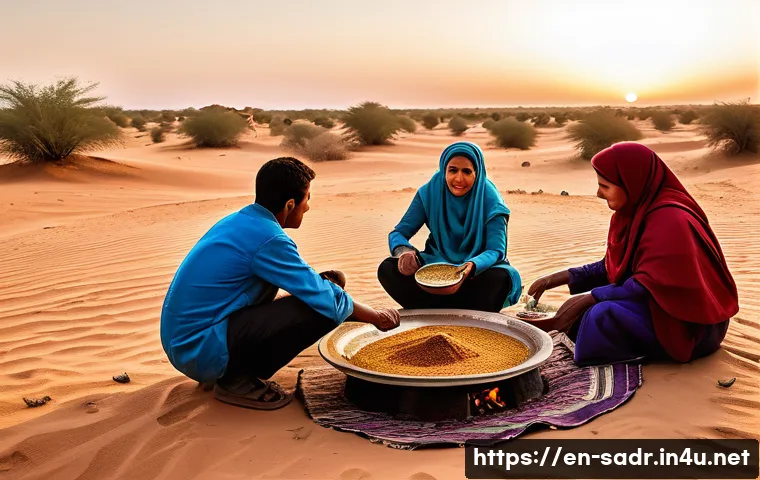
One of the absolute highlights of traveling to the Sahrawi Arab Democratic Republic is the opportunity to connect with its incredible people. While the stunning desert landscapes are certainly a draw, it’s the warmth, resilience, and unique culture of the Sahrawi people that truly leave a lasting impression. I’ve always found that the deepest and most meaningful travel experiences come from stepping beyond the typical tourist interactions and genuinely engaging with the local community. It’s not about being intrusive, but about showing genuine interest, respect, and a willingness to learn. My personal adventures here have been transformed by shared meals, conversations over endless cups of tea, and even impromptu lessons in Hassaniya Arabic. These are the moments that truly bring a place to life, making you feel less like a visitor and more like an honorary member of the community. It’s an approach that fosters mutual understanding and creates memories that last long after you’ve returned home. Seriously, these interactions are the heart and soul of an authentic Saharan journey.
Learning Basic Phrases and Engaging with Openness
As I mentioned earlier, learning a few basic phrases in Arabic, particularly the local Hassaniya dialect, goes a surprisingly long way. Even a simple “Salam alaikum” (peace be upon you) or “Shukran” (thank you) can open doors and bring smiles. Locals genuinely appreciate the effort. Don’t be afraid to strike up conversations; Sahrawis are generally very friendly and curious about visitors. Be prepared for questions about your home country, family, and what brings you to their land. Share your own stories and experiences, but also be an active listener. I’ve found that these informal chats are where you learn the most about the culture, history, and daily life from a local perspective. It’s about building a human connection, not just transactional interactions. My best advice? Approach every interaction with an open mind and a genuine desire to connect, and you’ll be amazed at the warmth and hospitality you receive in return. These moments are truly the bedrock of immersive travel.
Cultural Exchange and Respectful Photography
Cultural exchange is a two-way street, and it’s an incredible opportunity to learn and share. If you’re invited to share a meal or participate in a local activity, embrace it wholeheartedly. These are often the most authentic and memorable experiences you’ll have. When it comes to photography, always, *always* ask for permission before taking someone’s picture, especially women and children. A simple gesture asking “photo?” or “mumkin soura?” (Can I take a picture?) is usually enough. Respect their decision if they decline. If they agree, a polite “shukran” afterwards is always appreciated. I’ve noticed that some people, especially children, might ask for money if you take their photo; it’s up to you if you want to offer a small amount, but it’s not a universal expectation. Remember, you’re capturing moments from their lives, and treating them with respect and dignity is paramount. It ensures your photos tell a story of respectful engagement, not just fleeting observation.
A Final Thought
Venturing into the Sahrawi Arab Democratic Republic has truly been one of the most eye-opening experiences of my life, a journey that has challenged my perceptions and enriched my understanding of a complex yet profoundly beautiful corner of the world. It’s a destination that asks a little more of you in terms of preparation and cultural sensitivity, but in return, it offers an unparalleled adventure filled with stunning landscapes, ancient traditions, and the incredible warmth of its people. As I reflect on my own time navigating the desert, sipping endless cups of sweet tea, and connecting with locals, I’m reminded that the true essence of travel lies in stepping outside your comfort zone and embracing the unfamiliar with an open heart. This region isn’t just a place to visit; it’s an experience that stays with you, teaching you resilience, respect, and the enduring power of human connection. I genuinely hope this guide empowers you to embark on your own informed and respectful exploration of this fascinating land.
Useful Information to Know
1. Always Double-Check Entry Requirements: Before you even book your flights, make sure to thoroughly research the most up-to-date visa and entry requirements for your nationality when traveling to the Moroccan-administered territories of Western Sahara. These regulations can change, and being caught off guard can really throw a wrench in your plans. Websites of the Moroccan Ministry of Foreign Affairs or your country’s embassy in Morocco are excellent starting points. I’ve learned from past travel hiccups that official government sources are always your best bet, as relying on outdated forums or blog posts can lead to unnecessary stress and even denied entry. It’s a small step that ensures your journey begins without a hitch, allowing you to focus on the excitement of exploring this unique region rather than bureaucratic hurdles.
2. Prioritize Health and Safety Preparedness: The desert environment is stunning but demands respect. Ensure your routine vaccinations are current and consider consulting a travel doctor for advice on specific health risks. A comprehensive first-aid kit is absolutely non-negotiable – think beyond just band-aids and include essentials like rehydration salts, pain relievers, and any personal medications. More importantly, invest in reliable travel insurance that includes emergency medical evacuation. I can’t stress this enough; peace of mind knowing you’re covered for serious emergencies is priceless in remote areas where medical facilities can be basic and far apart. This proactive approach significantly reduces risks and allows you to enjoy the vast landscapes without constant worry.
3. Embrace and Respect Local Customs: The Sahrawi people are known for their profound hospitality and deeply rooted cultural traditions. Dressing modestly, especially for women, by covering shoulders and knees, is a sign of respect and will foster more positive interactions. Always accept the offer of tea; it’s a cornerstone of their social etiquette and a beautiful ritual. When taking photographs, always ask for permission first, particularly before capturing images of individuals. These small gestures of respect go a long, long way in bridging cultural gaps and opening doors to genuine, heartwarming connections with the local community, transforming your trip into a truly immersive and authentic experience. My most cherished memories involve these very interactions.
4. Navigate with Expert Local Knowledge: The landscape of Western Sahara is vast and, in parts, historically complex, notably due to the ‘Berm’ and associated minefields in certain areas. For any travel outside major urban centers, especially off-road or into more remote desert expanses, hiring a reputable local guide or joining an organized tour is not just recommended, it’s practically essential for your safety. These guides possess invaluable knowledge of safe routes, current conditions, and local sensitivities, helping you avoid hazardous areas. Don’t underestimate the desert; its beauty can mask significant dangers, and local expertise is your most critical resource for a secure and insightful journey. Seriously, their knowledge is worth its weight in gold.
5. Stay Connected Smartly: While it’s tempting to disconnect, having reliable communication is crucial for logistics and safety. Purchasing a local SIM card (from providers like Morocco Telecom or Inwi) upon arrival in a major city will give you essential mobile data and call access. This makes coordinating with guides, confirming accommodations, and accessing online maps much easier. However, be prepared for patchy or non-existent signal in very remote desert regions. For extended forays into isolated areas, consider carrying a satellite phone or a personal locator beacon as a backup. Sharing your itinerary with someone back home is also a wise practice. Staying connected doesn’t mean being glued to your phone; it means having the tools to manage your journey effectively and safely.
Key Takeaways
My journey through the Sahrawi Arab Democratic Republic has truly underscored that meaningful travel is a blend of careful preparation, profound respect, and an open heart. What I’ve consistently found is that the more you invest in understanding a destination’s nuances—its history, its people, its challenges—the richer your experience becomes. From navigating the unique logistical considerations of the ‘Berm’ with expert local guides to immersing myself in the deeply hospitable culture over cups of mint tea, every moment has reinforced the importance of conscious travel. Always prioritize your safety by being well-prepared with health essentials, proper hydration, and reliable communication. Furthermore, remember that your actions as a traveler have an impact; supporting local economies and demonstrating environmental awareness are not just good practices, but essential contributions to the communities that welcome you. This isn’t just about ticking off a bucket-list destination; it’s about fostering genuine connections and creating memories that resonate long after you’ve returned home, reminding you of the incredible resilience and warmth that defines this extraordinary region. Trust me, the effort you put in will be rewarded tenfold with an adventure unlike any other.
Frequently Asked Questions (FAQ) 📖
Q: Is it truly safe to travel in the Sahrawi
A: rab Democratic Republic/Western Sahara, especially with talk of the ‘Berm’?
A1: Oh, this is such a crucial question, and it’s one that weighed heavily on my mind before my own journey.
From what I’ve personally experienced and observed, the general consensus is that traveling to the Moroccan-administered parts of Western Sahara, like cities such as Laayoune or Dakhla, is considered relatively safe for tourists.
It feels much like traveling in other parts of Morocco, with the usual precautions you’d take in any unfamiliar place. The local Sahrawi people, whether in the cities or in their traditional camps, are incredibly hospitable and welcoming.
I found myself repeatedly touched by their generosity and eagerness to share their culture. Now, about the ‘Berm’ – it’s a very real military barrier that physically divides the territory.
On the Moroccan-controlled side, you’ll find well-maintained roads and a noticeable presence of Moroccan security forces, which, in my experience, contributes to a feeling of stability.
My best advice, and something I strictly adhered to, is to always stick to established roads and designated tourist areas. Seriously, this isn’t the place for off-road adventuring unless you’re with a highly reputable local guide who knows the terrain intimately and has the necessary permissions.
There are still unexploded landmines in certain remote areas, especially near the Berm, so venturing off-path is an absolute no-go. Before you even pack your bags, make sure to check your home country’s latest travel advisories – they’re updated regularly and offer the most current official guidance.
Trust me, a little preparation goes a long way in ensuring your peace of mind and, most importantly, your safety.
Q: What are the entry requirements like, and how do I handle the local bureaucracy?
A: This can feel a bit like navigating a maze if you’re not prepared, but don’t fret! From my personal experience, entering the Moroccan-administered areas of Western Sahara usually follows the same visa regulations as entering Morocco itself.
So, if you’re from a country that grants you visa-free entry to Morocco, you’ll typically be fine with just your passport. However, always, always double-check with the Moroccan embassy or consulate in your home country before you travel, as policies can change.
Once you’re in the region, expect to encounter frequent police and military checkpoints, especially if you’re traveling between cities or even just driving around.
I remember thinking, “Another one already?” at times! But here’s the key: patience and politeness are your best friends. Have your passport, any relevant visa documents, and if you’re driving, your vehicle registration and international driving permit readily available.
I always kept them in an easily accessible pouch. The officers are generally courteous, but they are thorough. A friendly “Salam alaikum” and a smile can really go a long way.
They might ask about your itinerary, where you’re staying, and the purpose of your visit. Just be honest and straightforward. These checkpoints are part of the security measures in place, and understanding that helps you approach them with the right mindset.
Don’t be surprised if they take down your details; it’s a standard procedure. A bit of paperwork and a calm demeanor will make the whole process much smoother, letting you get back to enjoying your adventure faster.
Q: How can I respectfully immerse myself in the local culture and interact with the Sahrawi people?
A: Oh, this is where the magic truly happens! The heart of any incredible journey lies in connecting with the local culture, and my interactions with the Sahrawi people are some of my most cherished memories.
Their hospitality is legendary, and I genuinely felt like a guest in their home, even when just passing through. The most beautiful entry point, in my opinion, is the traditional Sahrawi tea ceremony.
If you’re offered tea, accept it! It’s a profound gesture of welcome, and you’ll typically be served three rounds – the first for life, the second for love, and the third for death.
It’s a slow, deliberate process, often accompanied by wonderful conversation, and it’s truly an honor to participate. In terms of attire, modesty is appreciated, especially for women.
While you don’t necessarily need to cover your head in cities like Dakhla, opting for conservative clothing – think long skirts or trousers and tops that cover your shoulders – shows respect for local customs.
When taking photos, always, always ask for permission first, especially if children are involved. A simple gesture or asking “Mumkin soura?” (Can I take a picture?) goes a long way.
The Sahrawi people are incredibly proud of their heritage, their vibrant traditional clothing (the mlahfa for women and daraa for men), and their resilience.
Showing genuine interest in their stories, their music, and their unique way of life will open doors to truly unforgettable experiences. Learning a few basic Arabic or Hassaniya phrases will also be incredibly endearing.
Remember, respectful engagement isn’t just about following rules; it’s about opening your heart to a different way of life and being present in the moment.
That’s what truly transforms a trip into an adventure of a lifetime.